
Ayanna Howard
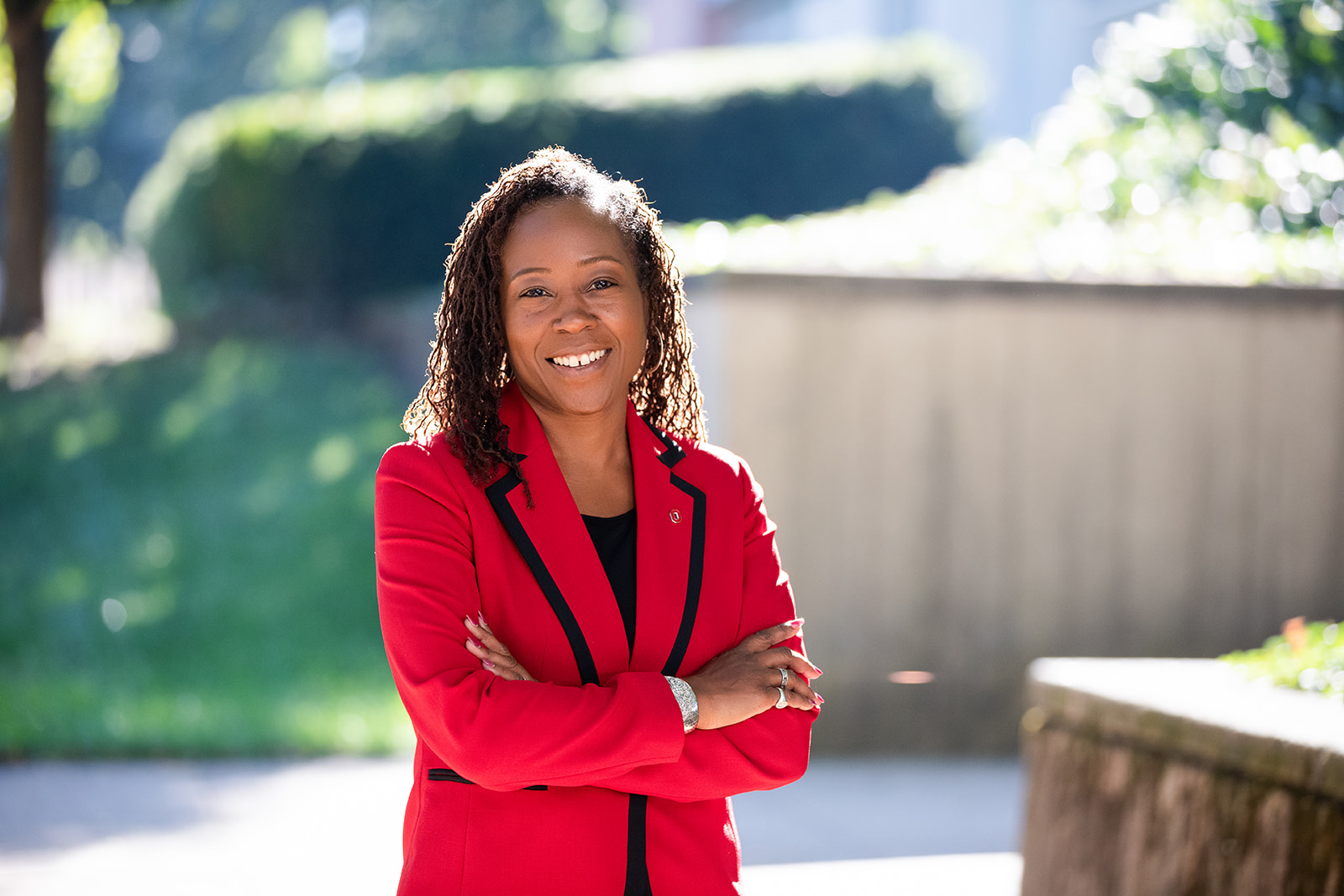
Dr. Ayanna Howard is an innovator, entrepreneur, leader, and international expert in robotics and AI. She is also the author of the best-selling audiobook – Sex, Race, and Robots: How to be Human in the Age of AI. Currently, Dr. Howard is the Dean of Engineering at The Ohio State University and Monte Ahuja Endowed Dean's Chair.
Prior to Ohio State, Dr. Howard was the Chair of the School of Interactive Computing at the Georgia Institute of Technology. Previously, she was at NASA's Jet Propulsion Laboratory where she held the title of Senior Robotics Researcher and Deputy Manager in the Office of the Chief Scientist. Her research encompasses advancements in artificial intelligence (AI), assistive technologies, and robotics, and has resulted in over 275 publications. At NASA, she worked on designing advanced technologies for future Mars rover missions. Now, she works on projects ranging from healthcare robots to developing methods to mitigate bias and trust in AI.
To date, Dr. Howard’s unique accomplishments have been highlighted through a number of awards and articles, including highlights in Vanity Fair, USA Today, and TIME Magazine, as well as being recognized as one of the 23 most powerful women engineers in the world by Business Insider. She is a Fellow of IEEE, AAAI, AAAS, the National Academy of Inventors, and elected member of the American Academy of Arts and Sciences. She regularly advises on issues concerning robotics, AI, and workforce development. She is a media expert source for venues such as CNN and NPR and regularly gives invited talks at venues such as the Smithsonian Design Museum, TEDx, Science Museum of London, and the National Security Agency. She has also been featured in various interviews and podcasts hosted by places like PBS, Discovery Channel, BBC, and Huffington Post.
Basil Masri Zada
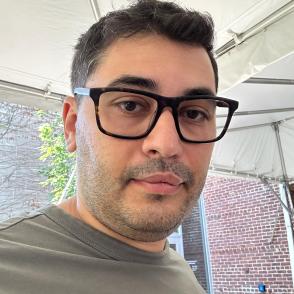
Basil Masri Zada is a transdisciplinary, cross-cultural scholar-artist, activist, Fulbright alum, educator, curator, and digital arts and museum professional whose work bridges art, technology, and social practice. As a faculty member in Digital Art + Technology, he experiments with, researches, and develops creative practices alongside his students, engaging a wide range of collaborative projects that explore text-, image-, video-, and sound-based AI tools.
In response to recent advancements in artificial intelligence, Masri Zada has integrated AI into studio art practice and research as a core component of his teaching philosophy. His approach emphasizes critical engagement with generative AI, addressing key concerns around authenticity, ethics, legality, authorship, ownership, and the boundaries between imitation and creation. Rather than positioning AI as an end goal, he frames it as a tool—one that can expand creative thinking when used thoughtfully and responsibly.
Central to his pedagogy is the creation of safe, private, and intellectually protected learning environments that allow students to explore AI without fear of exploitation or loss of creative agency. By designing projects that prioritize originality, authorship, and ethical use, he encourages students to engage with emerging technologies rather than reject them, ensuring their work remains relevant within a rapidly evolving artistic and technological landscape.
Masri Zada’s research and artistic practice focus on the practices of everyday life, art, and political activism in relation to the Syrian crisis that began in 2011. His studio work spans sculpture and drawing as well as performance, sound, video art, installation, interactive media, and new and digital technologies.
He has taught art as practice, theory, and history since 2008, beginning at Damascus University in Syria and continuing at Ohio University since 2012.
Christopher Hadad
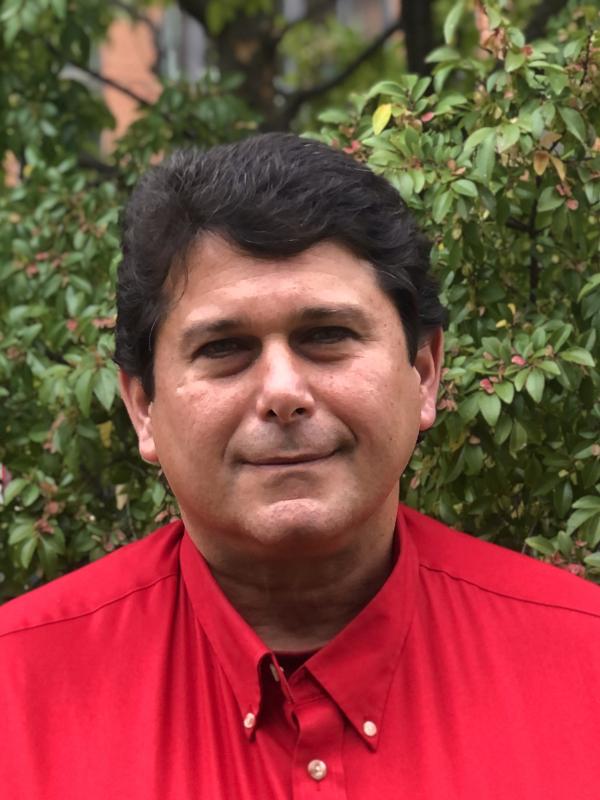
Professor Hadad received his B.S. with Honors degree in Chemistry from the University of Delaware in 1987. He was a Fannie and John Hertz pre-doctoral fellow at Yale University and obtained his Ph.D. degree in Organic Chemistry with Professor Kenneth Wiberg in 1993. He was a National Science Foundation post-doctoral fellow (1992 — 1994) at the University of Colorado (Boulder) with Professor Charles DePuy, and he then joined the Ohio State University in 1994 as an assistant professor. He has been honored with a National Science Foundation CAREER award.
Debargha Ganguly
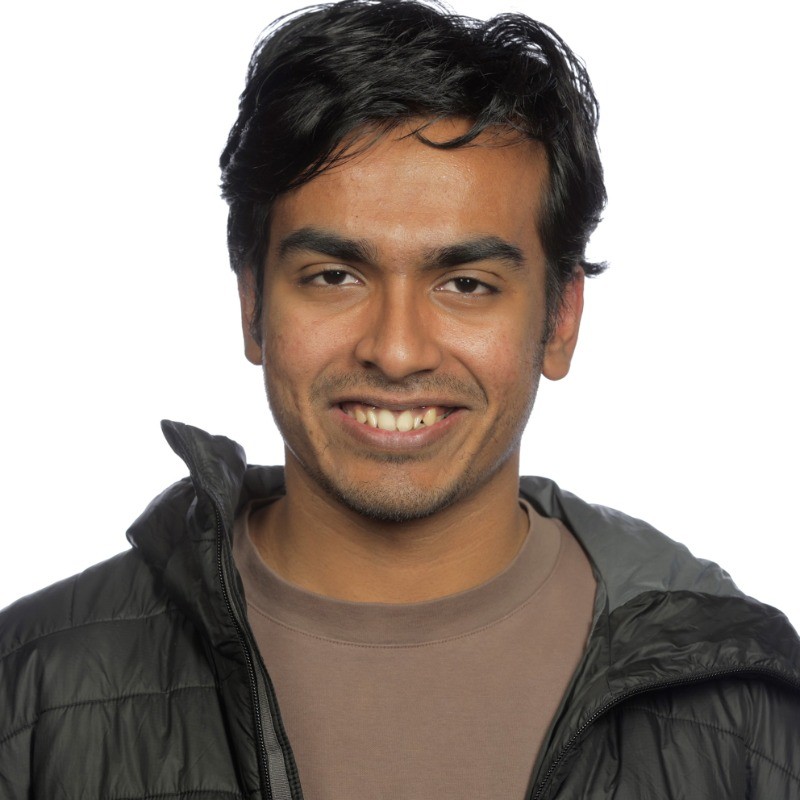
Debargha is a fourth-year PhD candidate in Computer Science at Case Western Reserve University, working under the supervision of Dr. Vipin Chaudhary. His research focuses on building probabilistically robust, provably reliable, and scalable machine learning models. Prior to his doctoral studies, he earned his Bachelor's degree from Ashoka University, India. He has gained industry experience as a research intern at Microsoft Research and Amazon Science.
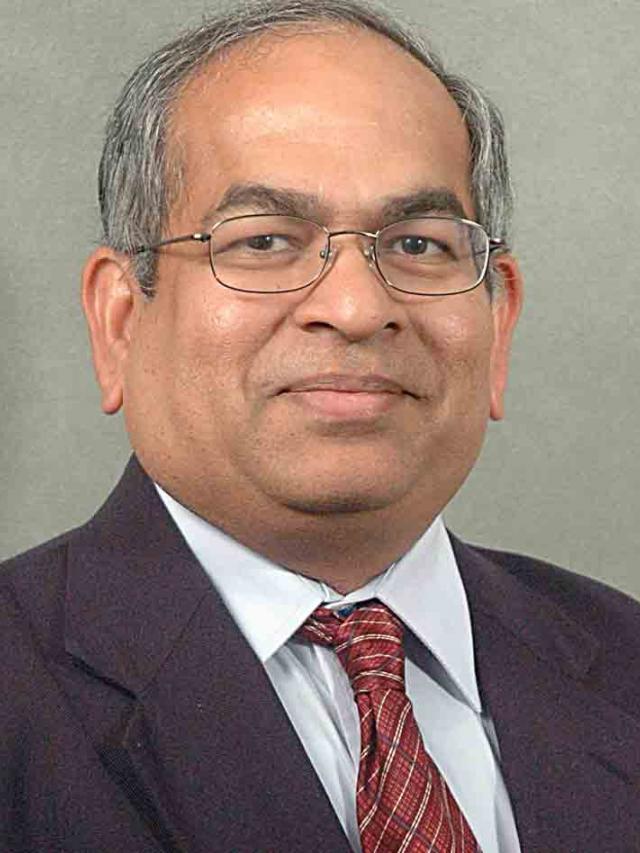
Dhabaleswar K (DK) Panda
Dhabaleswar K (DK) Panda is a professor and university distinguished scholar of computer science and engineering at The Ohio State University. He serves as the director of the newly established NSF-AI Institute, ICICLE. He has published over 500 papers in the area of high-end computing and networking. The MVAPICH (High-Performance MPI over InfiniBand, Omni-Path, iWARP, RoCE, and Slingshot) libraries, designed and developed by his research group, are currently being used by more than 3,475 organizations worldwide (in 93 countries). More than 1.97 million downloads of this software have taken place from the project's site. This software is empowering several InfiniBand clusters (including the 21st, 67th, and 88th ranked ones) in the TOP500 list. Panda is a Fellow of Associationg for Computing Machinery (ACM) and the Institute of Electrical and Electronics Engineers (IEEE). He is a recipient of the 2022 IEEE Charles Babbage Award and the 2024 IEEE TCPP Outstanding Service and Contributions Award.
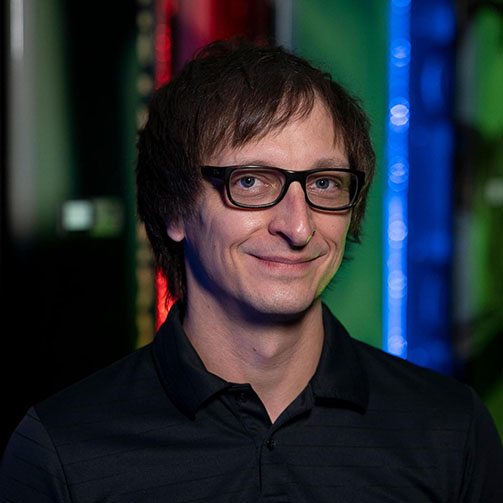
Erik Gough
Erik Gough is a Senior Research Scientist at Purdue University's Rosen Center for Advanced Computing (RCAC) with 15+ years of experience managing large scale cyberinfrastructure for scientific computing. During his time at RCAC he has worked across engineering, scientific applications and user support teams to provision and provide support for multiple advanced computing resources. His current focus is on developing innovative services for research communities at the intersection of HPC, cloud and AI.
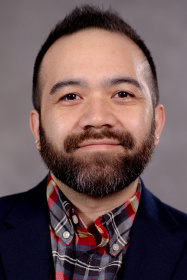
Evan Jaffe
Evan Jaffe, Ph.D., is a Machine Learning Engineer at the Ohio Supercomputer Center. He received his Ph.D. in Linguistics from The Ohio State University in 2021, where his research focused on computational psycholinguistics, coreference resolution, paraphrase detection, and question answering. Evan's thesis examined competing psycholinguistic processing theories and the time course of coreference resolution and its relation to prediction during human language comprehension.
Evan received the NSF Graduate Research Fellowship for work on word embedding training. Prior to joining OSC, Evan developed a graph-annotation tool for building ontologies and knowledge bases, and worked to add knowledge-completion features using semantic relationship types. He has experience designing data annotation guidelines and writing simple parsers to augment manual annotation, and has developed datasets in commercial and research settings for image classification, paraphrase detection, and data anonymization.
At OSC, Evan has worked with research clients in machine learning and artificial intelligence, and has supported the community through teaching at the OSC Summer Institute (SI) program for high-school students, consulting with undergraduate participants for the NSF Strengthening the Cyberinfrastructure Professionals Ecosystem (SCIPE) Artificial Intelligence Research Experience (AIRE) program, and contributing to the federal National Artificial Intelligence Research Resource Pilot (NAIRR).
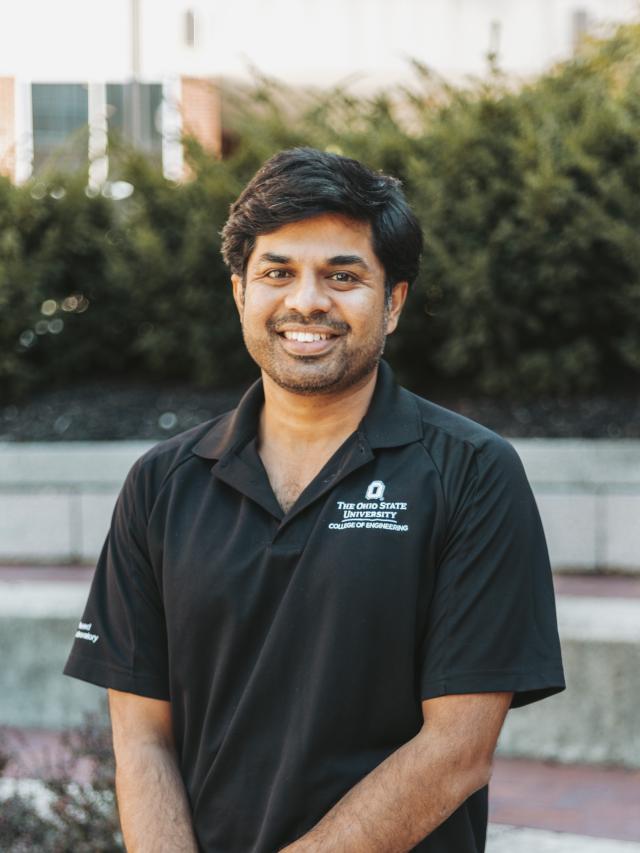
Hari Subramoni
Hari Subramoni is an Assistant Professor in the Department of Computer Science and Engineering at The Ohio State University. His current research interests include high-performance interconnects and protocols, parallel computer architecture, network-based computing, exascale computing, network topology-aware computing, QoS, power-aware LAN-WAN communication, fault tolerance, virtualization, big data, deep learning, machine learning, conversational interfaces, digital agriculture, and cloud computing.
Hari has co-authored over 170 publications in international journals and conferences related to these research areas and is a member of ACM and IEEE.
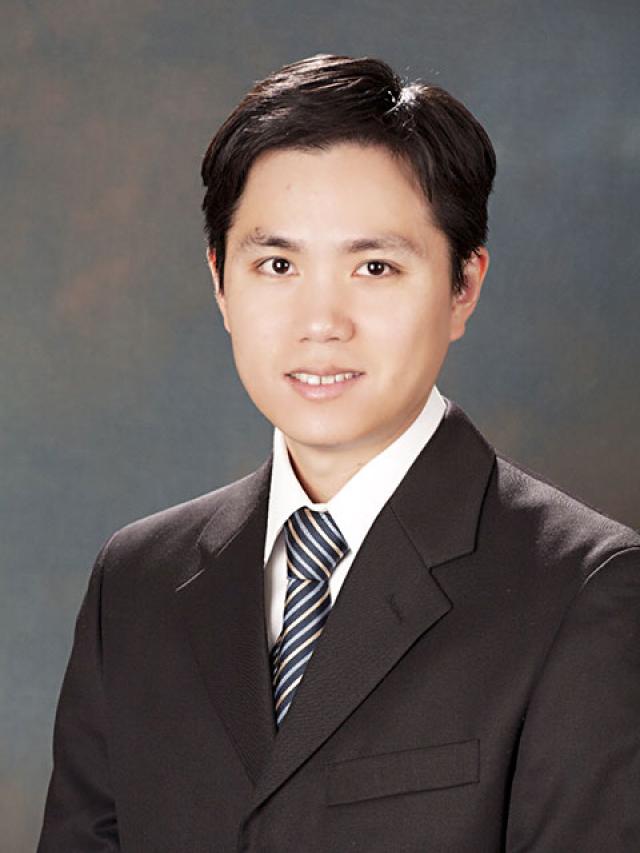
Jia (Kevin) Liu
Jia (Kevin) Liu is an Associate Professor in the Department of Electrical and Computer Engineering at The Ohio State University and an Amazon Scholar with Amazon.com. He received his Ph.D. degree from the Department of Electrical and Computer Engineering at Virginia Tech in 2010. From Aug. 2017 to Aug. 2020, he was an Assistant Professor in the Department of Computer Science at Iowa State University. He currently serves as the Managing Director of the NSF AI Institute for Futre Edge Networks and Distributed Intelligence (AI-EDGE) at OSU. He is a Co-Principal Investigator of the NSF TRIPODS D4 (Dependable Data-Driven Discovery) Institute at ISU. He is also a faculty investigator affiliated with the NSF ARA Wireless Living Lab PAWR Platform between ISU and OSU, and the Institute of Cybersecurity and Digital Trust (ICDT) at OSU.
Dr. Liu's research areas include theoretical machine learning, stochastic network optimization and control, and performance analysis for data analytics infrastructure and cyber-physical systems. Dr. Liu is a senior member of IEEE and a member of ACM. He has received numerous best paper awards at top venues, including IEEE INFOCOM'19 Best Paper Award, IEEE INFOCOM'16 Best Paper Award, IEEE INFOCOM'13 Best Paper Runner-up Award, IEEE INFOCOM'11 Best Paper Runner-up Award, and IEEE ICC'08 Best Paper Award. He has also received multiple honors of long/spotlight presentations at top machine learning conferences, including ICML, NeurIPS, and ICLR. His joint work with IBM Research was selected to receive the IBM Pat Goldberg Memorial Best Paper Award Distinction of Honorable Mention in 2024.
Dr. Liu is an NSF CAREER Award recipient in 2020, a winner of the DARPA Young Faculty Award (YFA) in 2024, and a winner of the Google Faculty Research Award in 2020. He received the LAS Award for Early Achievement in Research at Iowa State University in 2020, and the Bell Labs President Gold Award. Dr. Liu is the Lead Editor of the Special Issue on AI and Networking of IEEE/ACM Transactions on Networking in 2015. He is an Associate Editor for IEEE Transactions on Cognitive Communications and Networking. He has served the TPC for numerous top conferences, including ICML, NeurIPS, ICLR, ACM SIGMETRICS, IEEE INFOCOM, and ACM MobiHoc. His research is supported by NSF, DARPA, AFOSR, AFRL, ONR, Google, Meta, and Cisco.
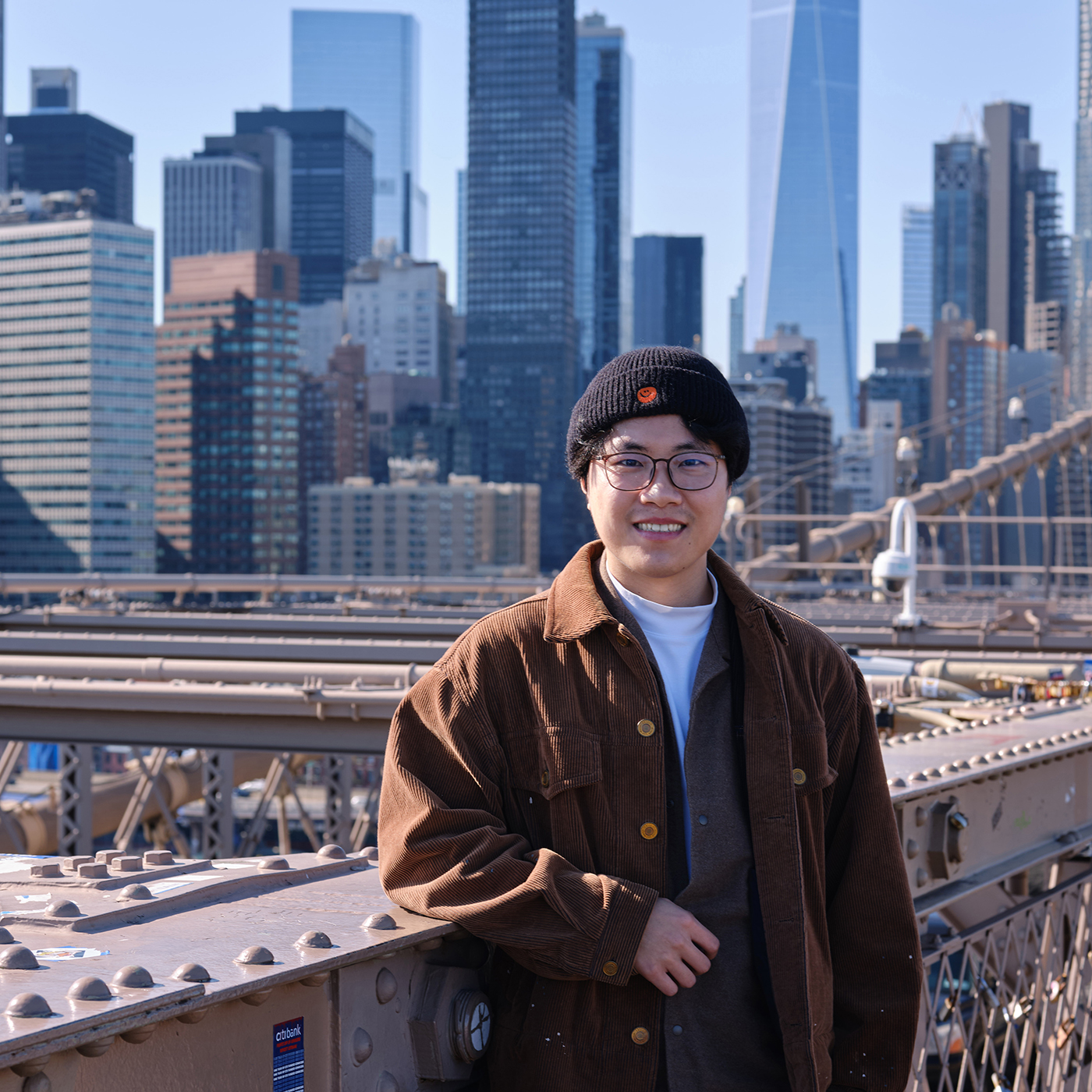
Jianyang Gu
Jianyang Gu is a Postdoctoral Researcher in the Computer Science and Engineering Department at The Ohio State University. He works on machine learning, computer vision, multimodal understanding, and their applications in scientific discovery. He is particularly interested in data-centric machine learning and developing and interpreting multimodal foundation models for biodiversity and ecology. He has published more than 20 papers in top-tier conferences and journals, including ICLR, NeurIPS, ICML, CVPR, etc. He has co-organized the Dataset Distillation workshop in CVPR 2024, the Anomaly Detection in Scientific Domains Workshop, and the Imageomics Workshop in AAAl 2025 and NeurIPS 2025. He served as an area chair for ICLR 2026 and a reviewer for multiple journals and conferences, including IEEE T-PAMI, NeurIPS, CVPR, ICCV, etc.
Josette Riep
Josette Riep is the Assistant Vice President of Integrated Data, Engineering & Application Services (IDEAS) in Digital Technology Solutions (DTS) at the University of Cincinnati. She is currently a PhD candidate in Information Technology with a research focus on Artificial Intelligence. Josette leads initiatives that span education, research, patient care, and administration—overseeing a wide range of areas including Development (with an emphasis on enterprise CRM development using Salesforce), DevOps, Data & Analytics, UI/UX and accessibility, and AI enablement.
Her portfolio includes customer relationship management, budget planning and resource allocation, project execution, the implementation of development best practices, and driving operational excellence through process improvement and team development. She also leads efforts to integrate AI into institutional strategy and operations, supporting both innovation and long-term scalability.
Josette is committed to expanding access and opportunity in technology. She believes in removing systemic barriers and designing pathways that empower individuals and institutions to thrive. Through her AI-focused research and her leadership of forward-thinking digital initiatives, she works to ensure the university continues to foster an environment where perspectives and talents across the university continue to excel.
Karen Tomko
Karen Tomko, Ph.D., serves as Director of Research Software Applications and Manager of the Scientific Applications group at the Ohio Supercomputer Center. Tomko also serves on the steering committee for the Midwest Research Computing and Data Consortium and is a member of the leadership team for the ICICLE AI institute. Her research interests include communication runtimes, application parallelization and tuning, and cyberinfrastructure for AI.
She has been working in collaboration with computational scientists for more than 25 years and has research software engineering experience with a wide range of applications in engineering, physics and earth sciences. Tomko is also interested in workforce development of research cyberinfrastructure professionals and has recently focused on expanding AI expertise within the community.
Prior to joining OSC, Tomko spent 11 years as a faculty member in computer science and engineering at University of Cincinnati and Wright State University. As faculty, she taught computer science and engineering courses in digital design, concurrent programming, compiler design, optimizing compilers, operating systems and HPC.
Tomko earned a doctorate and a master’s degree in computer science and engineering, as well as a bachelor’s degree in computer engineering, all from the University of Michigan.

Melinda Rhodes DiSalvo
Melinda Rhodes-DiSalvo, Ph.D., joined Ohio University in August 2022 to serve as executive director of a newly reenvisioned and expanded Center for Teaching, Learning, and Assessment dedicated to advancing teaching excellence. Since then, the CTLA has developed into a robust hub for professional learning and development collaborating across key units and colleges.
She developed the center’s signature program portfolio that includes Teaching@Ohio faculty development certifications recognizing faculty who implement, assess and share innovative and effective models for practice, teaching academies, faculty learning communities and design/redesign institutes, among other, and oversees center communications strategies.
Rhodes-DiSalvo has extensive experience leading centers and offices of teaching and learning.
She established strategic partnerships and operations for The Ohio State University Drake Institute for Teaching and Learning where she focused on building and connecting internal and external partners and faculty development collaborators; curriculum, course and instructional design and assessment; supporting a teaching and learning research grants program; and university-wide scaling faculty professional learning offerings.
Prior to the institute, she led an Office of Teaching and Learning at Ohio State’s College of Veterinary Medicine, where she assisted faculty developing and refining didactic and clinical teaching practices, conducted teaching observations and helped support peer review of teaching; led an instructional design team; and supported course and curricular assessment. Her office undertook a college-wide learning management system transition and a two-year curriculum map project and contributed to accreditation processes.
She also directed the Center for Enhancement of Teaching and Learning at the University of Cincinnati, with particular attention to enterprise-wide instructional technology solutions and partnerships with college instructional designers.
Most recently, Rhodes-DiSalvo has been engaged in promoting ethical integration of generative artificial intelligence in teaching and learning. She is serving as a faculty mentor for the AAC&U’s 2025 Institute on AI, Pedagogy, and Curriculum and has presented regionally and nationally on the CTLA’s GenAI in Teaching and Learning position statement and AI faculty development certification, as well as higher ed AI trends, AI literacy versus fluency and ethical use. She is currently exploring AI as a formative teaching observation coach.
She has taught at community colleges, private liberal arts colleges and research universities in the disciplines of English, journalism, clinical instruction and higher education curriculum and instruction and received teaching awards from Ohio Wesleyan University and Cottey College. She holds a Ph.D. in higher education curriculum and instruction from the University of Nebraska-Lincoln, and Education Specialist (Ed.S.) degree in community colleges and higher education and an M.A. in English from Pittsburgh State University, Pittsburgh, Kan; and a B.A. in English from Missouri State University and A.A. from Cottey College, Nevada, Mo.
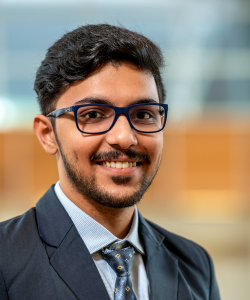
Rohan Marwaha
Rohan Marwaha is a research software engineer at the National Center for Supercomputing Applications (NCSA). With six years of experience and a master's degree in technology management, he specializes in artificial intelligence, high performance computing (HPC), retrieval-augmented generation (RAG), and full-stack software engineering. He builds platforms that advance scientific research and democratize access to AI and HPC in education and research. He likes to stay current on AI advancements and applications in software engineering. At NCSA’s Center for AI Innovation, Rohan leads AI- and HPC-powered initiatives, delivering projects funded by NSF, USDA and Illinois Computes that enhance computational productivity across several research domains. He is the co-founder of Illinois Chat, an LLM-powered official campus service supporting research and education; CropWizard, a generative AI agronomy assistant; and Diamond, a web platform to train neural networks.
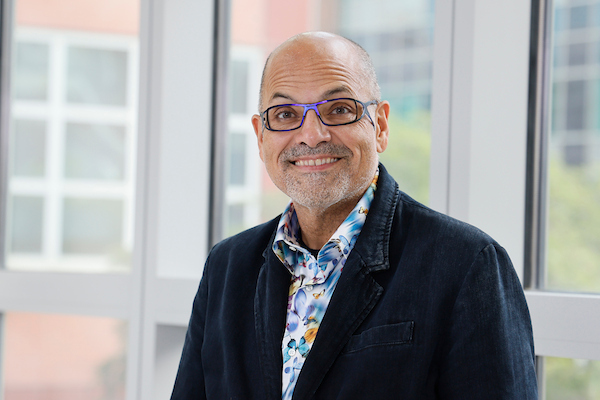
Timothy Huerta
Dr. Timothy R. Huerta is the Chief Research Information Officer (CRIO) and Associate Dean for Research Information Technology for the Wexner Medical Center and College of Medicine at The Ohio State University, and Director of Biomedical Informatics for OSU’s NCATS-funded Center for Clinical and Translational Science.
Dr. Huerta architects and oversees Ohio State’s enterprise research data ecosystem, enabling large-scale artificial intelligence, machine learning, and real-world evidence across clinical and translational domains. He founded the Department of Research Information Technology (RIT) to deliver end-to-end informatics capabilities spanning enterprise clinical data warehouses and OMOP-aligned common data models, multimodal data lakes integrating EHR, imaging, genomics, and device data, Epic-integrated research and clinical decision support pipelines, and secure cloud and high-performance computing environments optimized for advanced analytics. These platforms support scalable AI/ML development, federated analytics, real-time data ingestion, and reproducible research workflows.
As a professor with joint appointments in Family and Community Medicine and Biomedical Informatics, Dr. Huerta’s research focuses on the architecture, governance, and implementation science required to operationalize learning health systems and responsibly deploy AI in healthcare. His work—supported by AHRQ, NCATS, NIA, NIDA, NSF, PCORI, and the State of Ohio—has contributed to over $150M in funded research, advancing methods for integrating AI into clinical workflows, community-based data ecosystems, and large-scale translational infrastructure.
Dr. Huerta is nationally recognized for bridging data engineering, cloud-native platforms, governance, and team science to accelerate AI-enabled discovery and healthcare transformation.
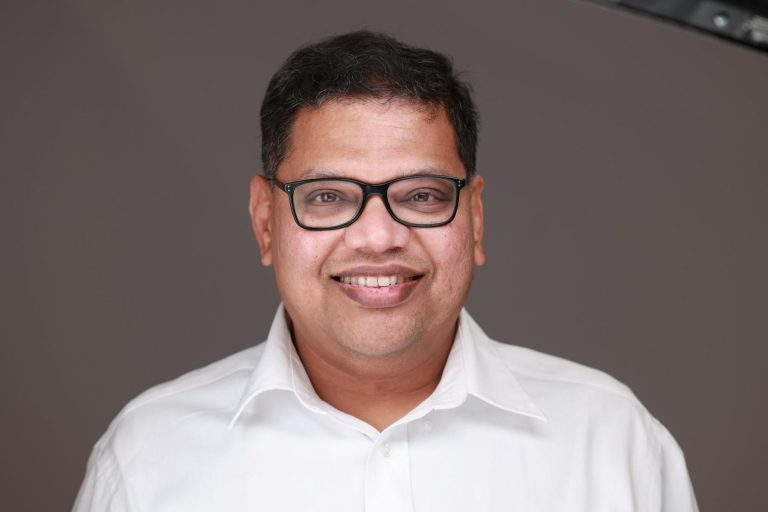
Vikram Gazula
Vikram Gazula is a Research Facilitator at the University of Kentucky Center for Computational Sciences, where he works with multidisciplinary teams to integrate AI into research workflows, helps researchers use and develop AI tools, and partners with computing staff to embed AI into infrastructure and operations. With more than 25 years at the University of Kentucky, he has worked on platform architecture, researcher engagement, and AI-driven services across production HPC environments supporting thousands of users. He has collaborated with national research efforts, including NSF ACCESS and the NAIRR Pilot, and works with researchers using advanced computing and AI resources in these communities. He also develops AI agents for HPC, building systems that go beyond question answering to reason about and act on cluster infrastructure while supporting researchers in applying advanced computing to their science.
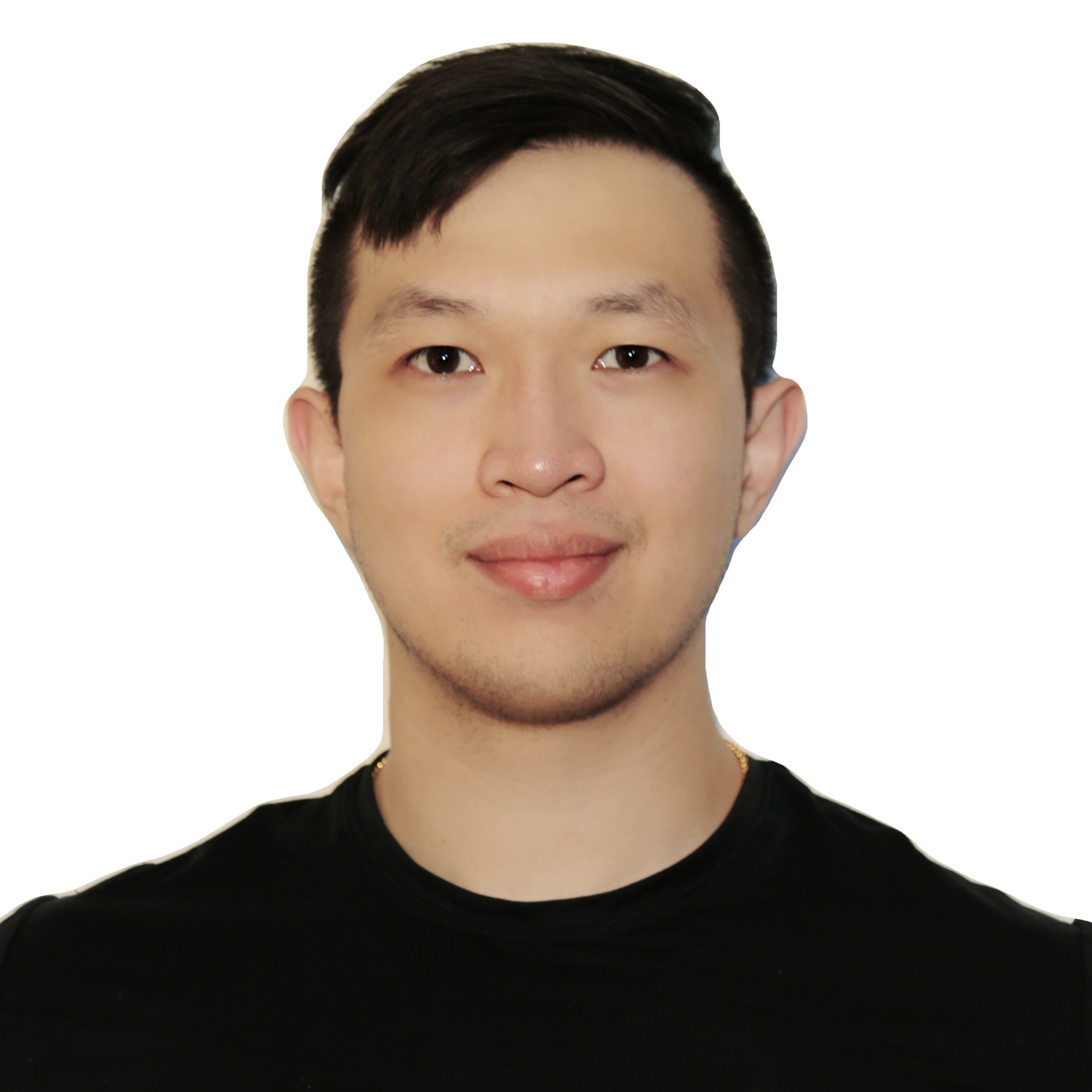
Weicong Chen
Weicong Chen is an AI Scientist in the Department of Computer and Data Sciences at Case Western Reserve University, working with Dr. Vipin Chaudhary. His research focuses on scalable machine learning and distributed AI systems for high-performance computing environments. He previously held a postdoctoral position at the University of California, Merced, and received his Ph.D. and M.S. in Computer Science from Case Western Reserve University.
