
The Global Open OnDemand (GOOD) Conference returned for its second year, March 9–12, 2026, welcoming 88 attendees from nine countries to Salt Lake City, Utah. The event brought together developers, system administrators, researchers, and institutional leaders committed to making high performance computing (HPC) easier to use.
Hosted by The University of Utah, the conference featured technical talks, collaborative discussions, and hands-on sessions focused on expanding the capabilities and adoption of Open OnDemand across research computing environments.
Attendees represented organizations across academia, entrepreneurial ventures, government agencies, industry, and nonprofit institutions, with participants traveling from Canada, the Czech Republic, Finland, France, Italy, Japan, Spain, Sweden, and the United States. Nearly half of this year’s participants attended the inaugural GOOD Conference in 2025, reflecting continued strong engagement throughout the global community.
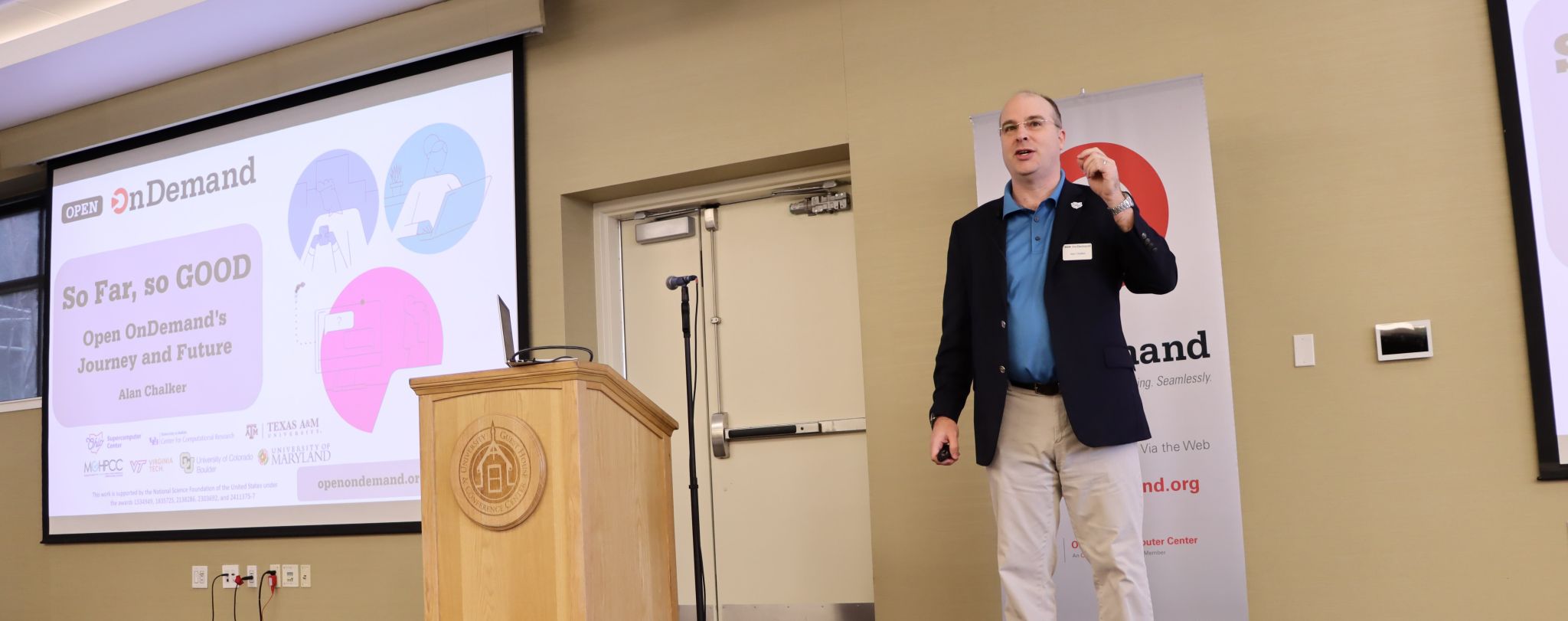
“The GOOD Conference continues to demonstrate the dedication and range of the Open OnDemand community,” said Alan Chalker, Open OnDemand project lead and director of strategic programs at the Ohio Supercomputer Center (OSC). “Bringing together contributors and users from around the world allows us to exchange ideas, collaborate on new features, and explore how Open OnDemand can continue expanding access to advanced computing resources.”
Developed by OSC and funded through multiple National Science Foundation grants, Open OnDemand is an open-source web portal that simplifies access to advanced computing resources through a browser-based interface. The platform is deployed at more than 2,100 organizations worldwide and enables researchers, educators, and students to run complex computational workflows without specialized local software or command-line expertise.
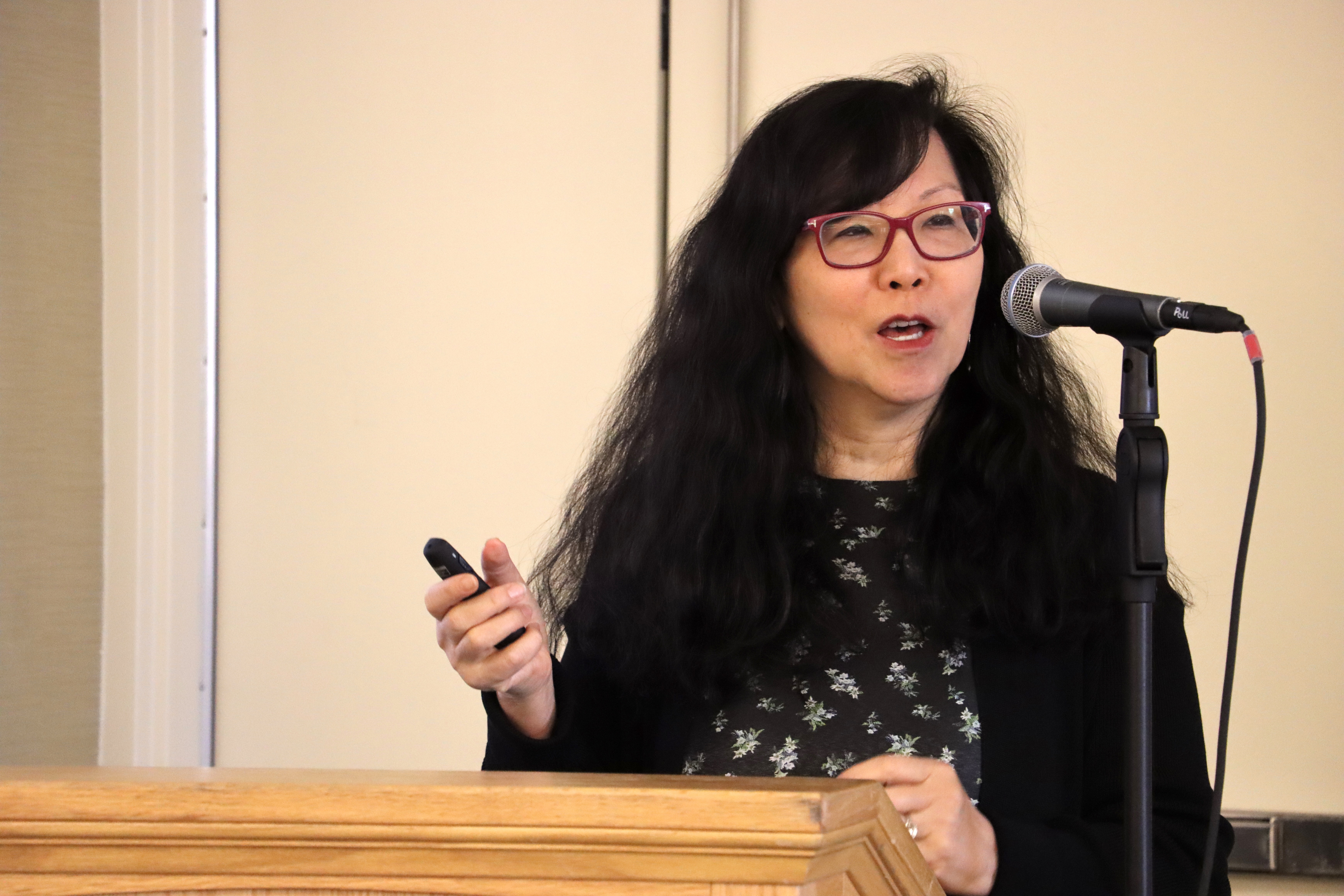
Julie Ma, co-principal investigator of the Open OnDemand project and program director at the Massachusetts Green High Performance Computing Center (MGHPCC), said the conference reflects the collaborative spirit that drives the platform’s continued development.
“The GOOD Conference brings together users and contributors from around the world to share ideas, learn from one another, and help shape the future of Open OnDemand,” Ma said. “That sense of community is what continues to move the project forward.”
Open OnDemand’s development model is driven by its global community, with contributors playing an active role in shaping the platform’s evolution. At GOOD26, the project introduced the Appverse—a community-driven catalog of application configurations featuring more than 75 apps across dozens of software packages contributed by institutions worldwide—alongside a Contributor Wall that recognized contributions across GitHub, Discourse, application development, and community committees.
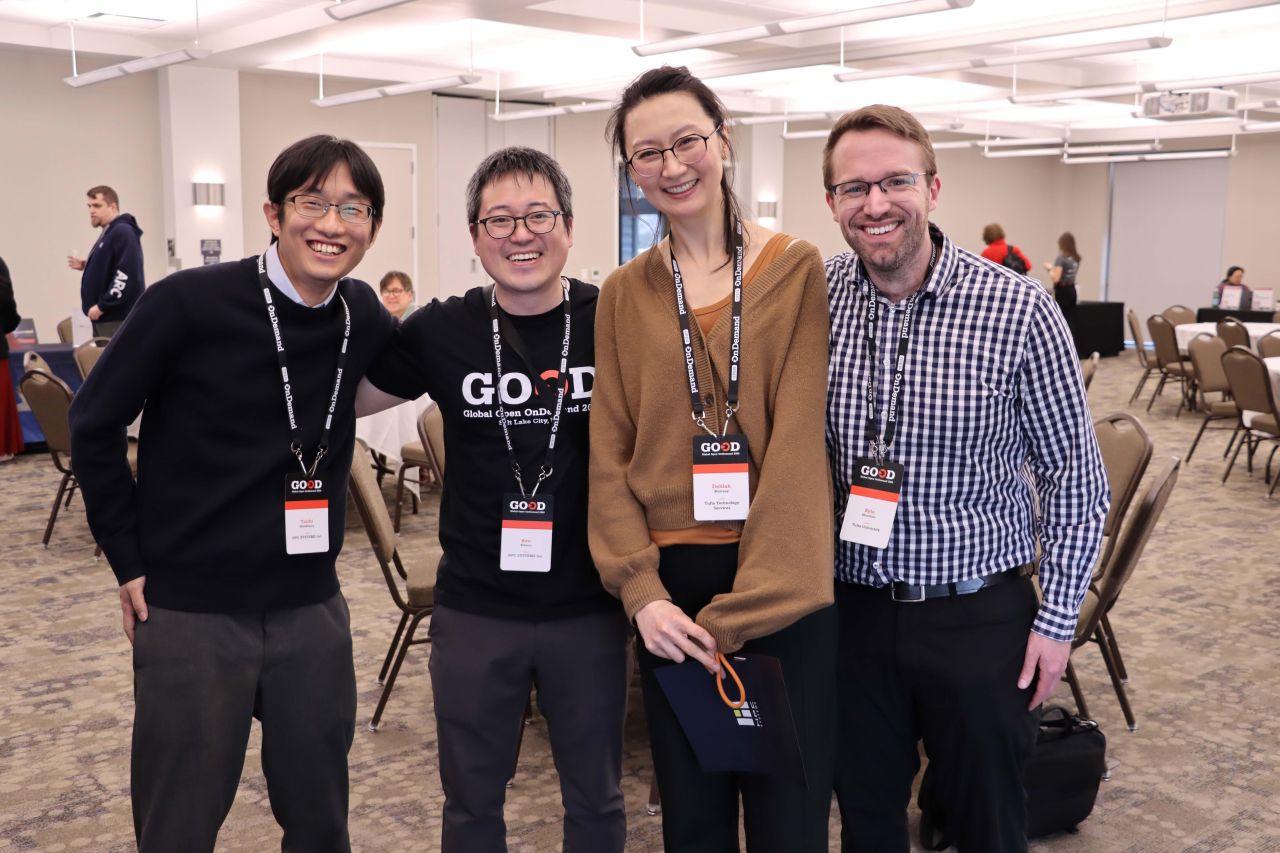
These efforts are supported through the Open OnDemand Community Hub, which has grown to more than 100 members since its inception at GOOD25 and includes multiple affinity groups that foster collaboration and shared development. The community has generated new contributors to core repositories and increased participation on Discourse, which has helped expand the global impact of the Open OnDemand ecosystem.
Throughout the multi-day GOOD26 event, attendees explored how Open OnDemand supports research and education across disciplines including chemistry, climatology, education, energy, finance, information technology, manufacturing, medicine, and the social sciences.
The conference began with a Contributor Jam, where participants worked directly with Open OnDemand developers to learn more about the platform and contribute code, documentation, and ideas to the project. The main conference program featured technical presentations, community discussions, and Birds-of-a-Feather sessions highlighting practical implementations, emerging technologies, and community-led innovation.
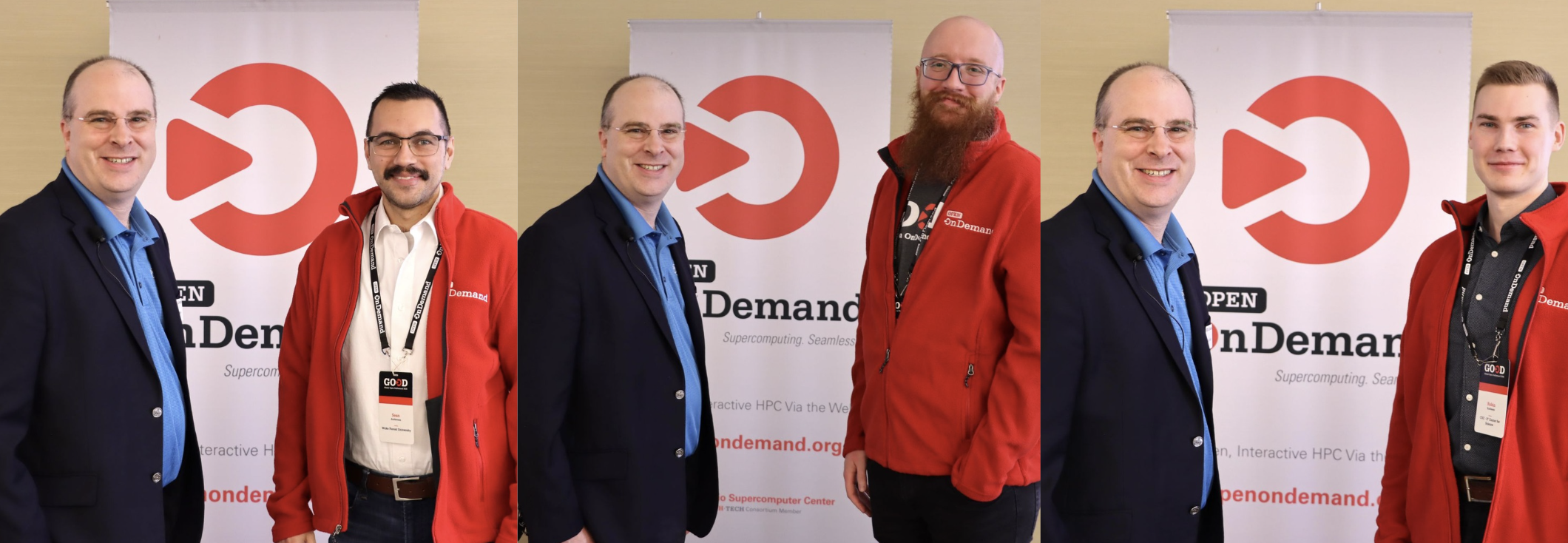
The conference also introduced the inaugural GOOD Example Award, recognizing community members who have made exceptional contributions to the Open OnDemand ecosystem. This year’s recipients were:
-
Sean Anderson, Wake Forest University
-
Brandon Biggs, Idaho National Laboratory
-
Robin Karlsson, CSC – IT Center for Science
Each recipient was honored with a signature red jacket recognizing their leadership and impact within the Open OnDemand community.
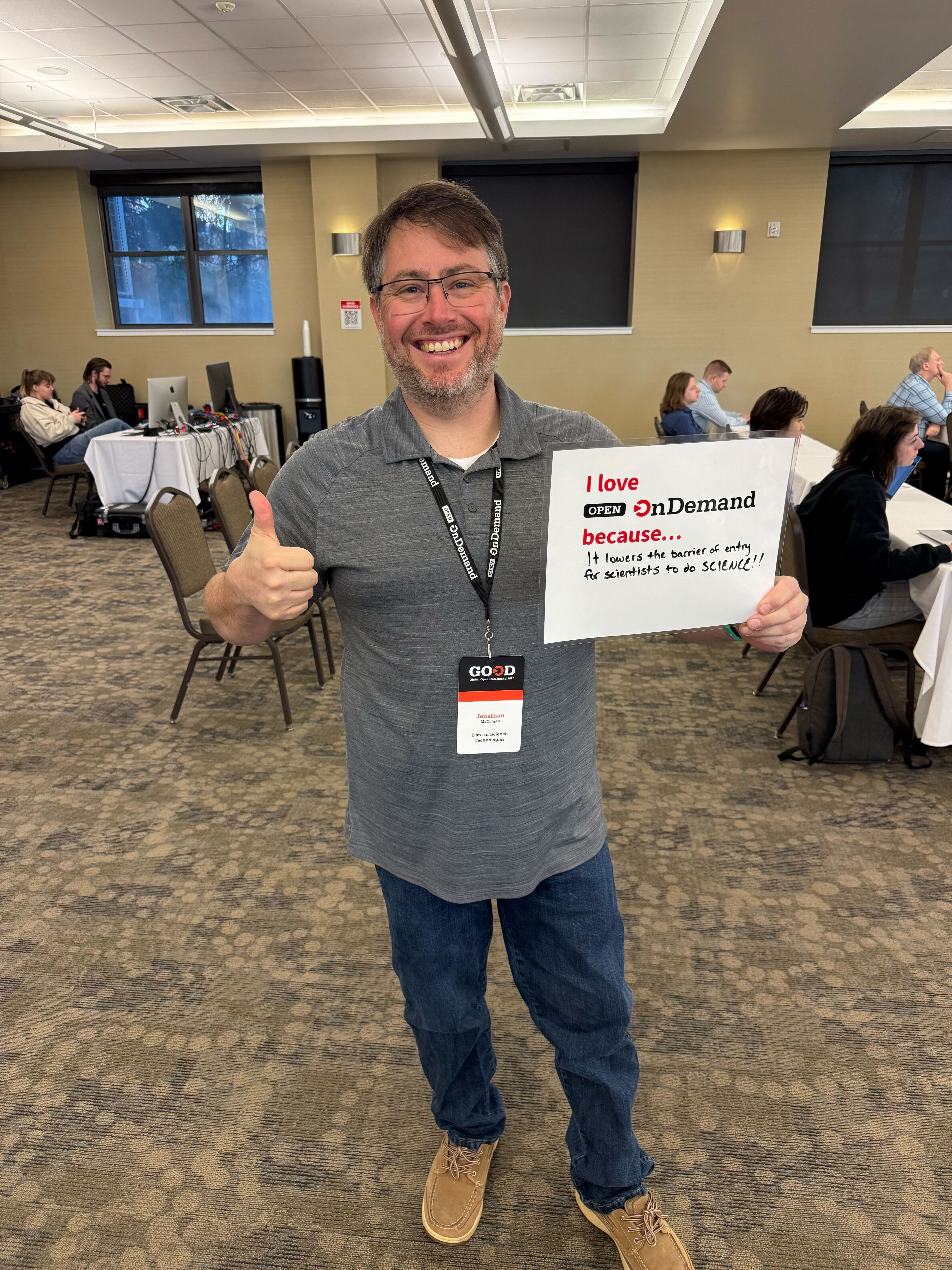
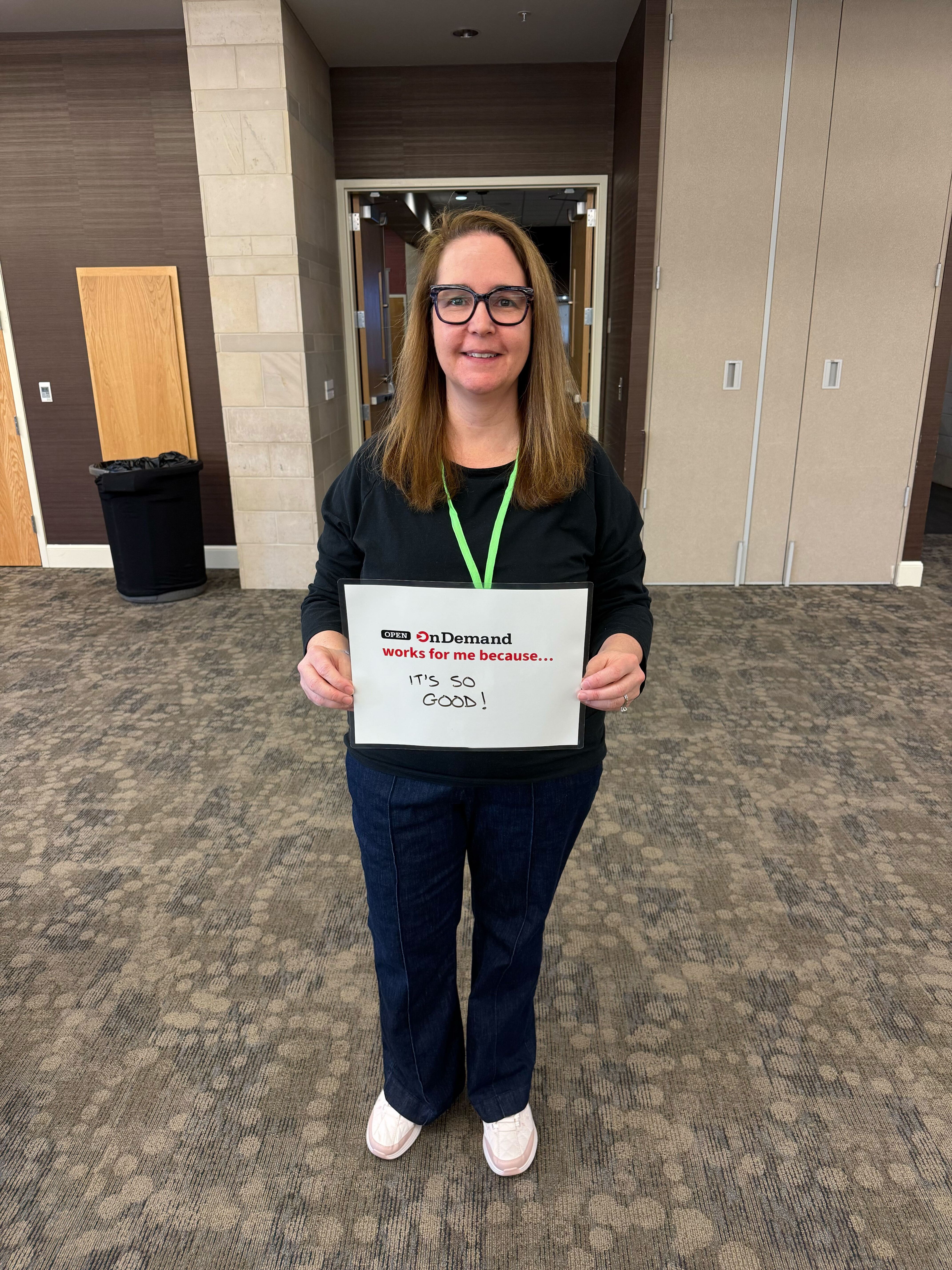
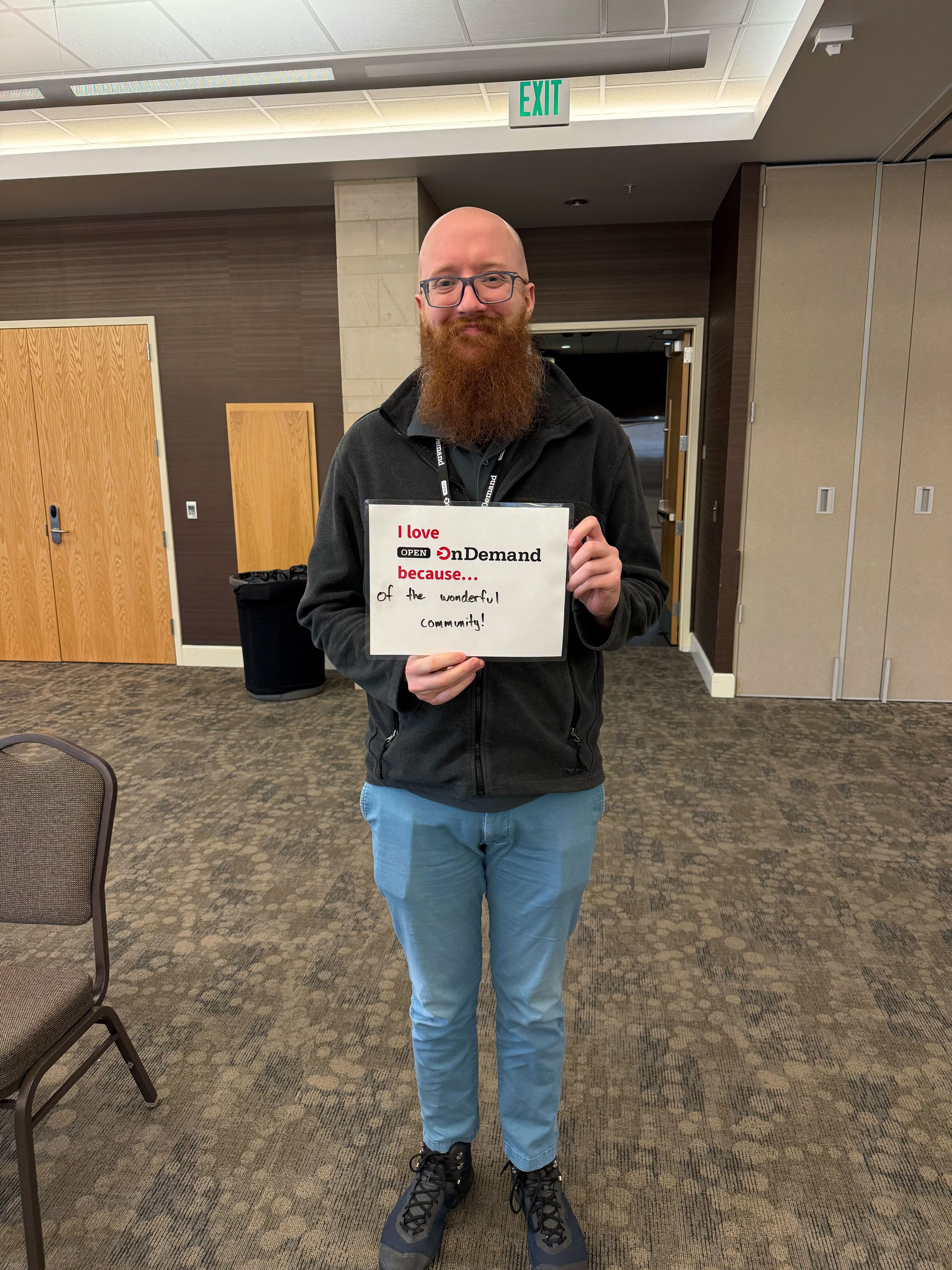
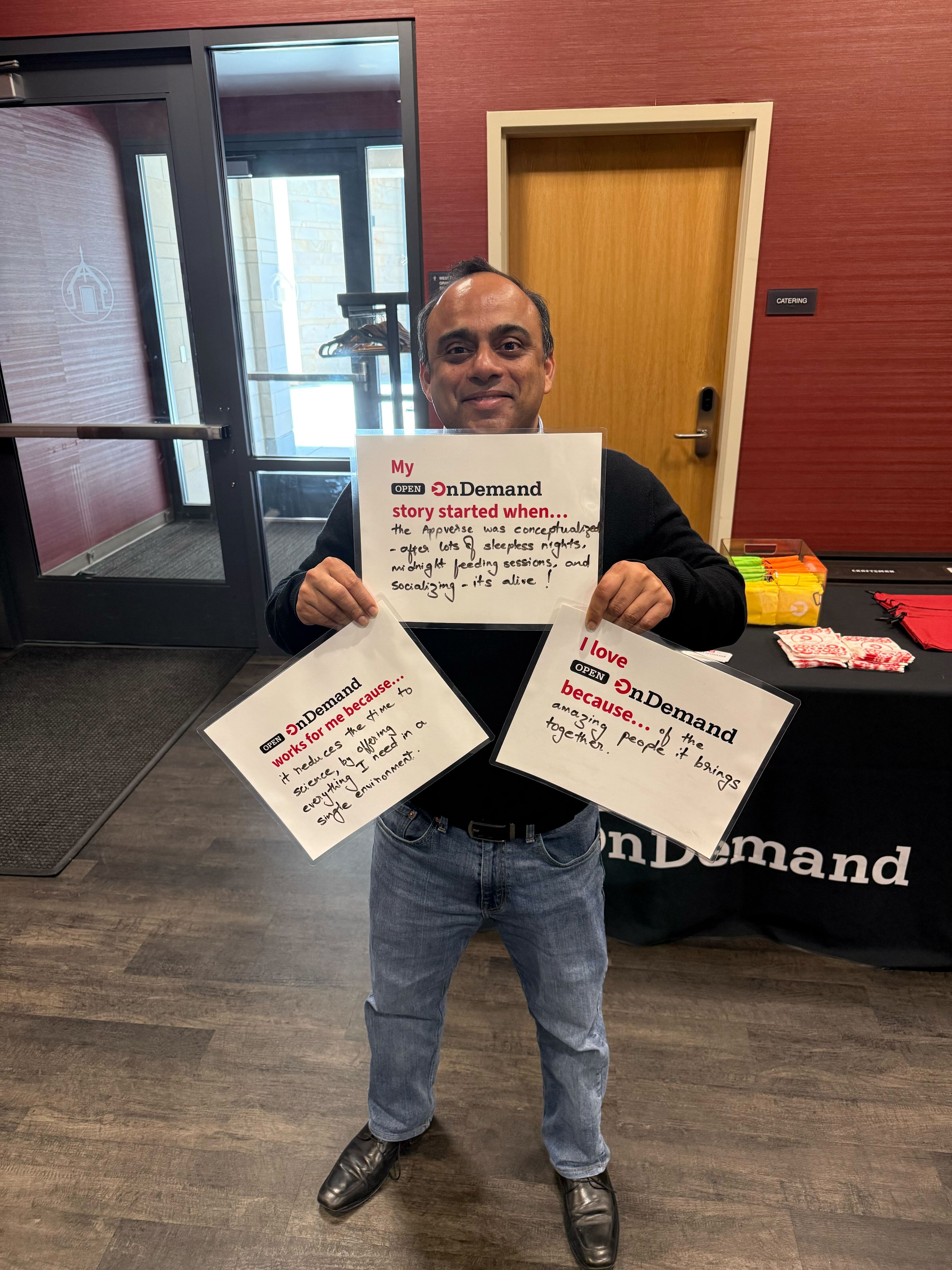
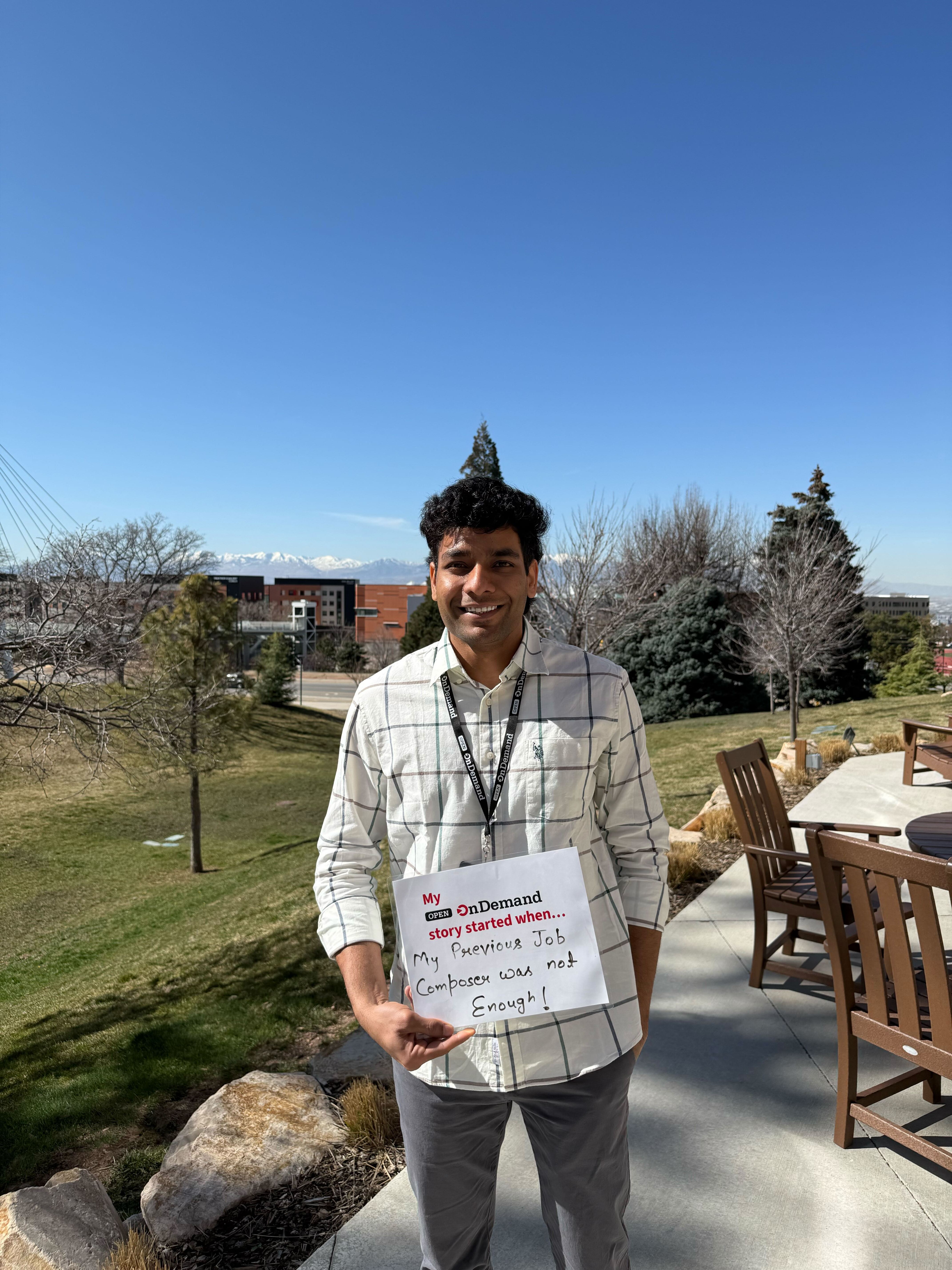
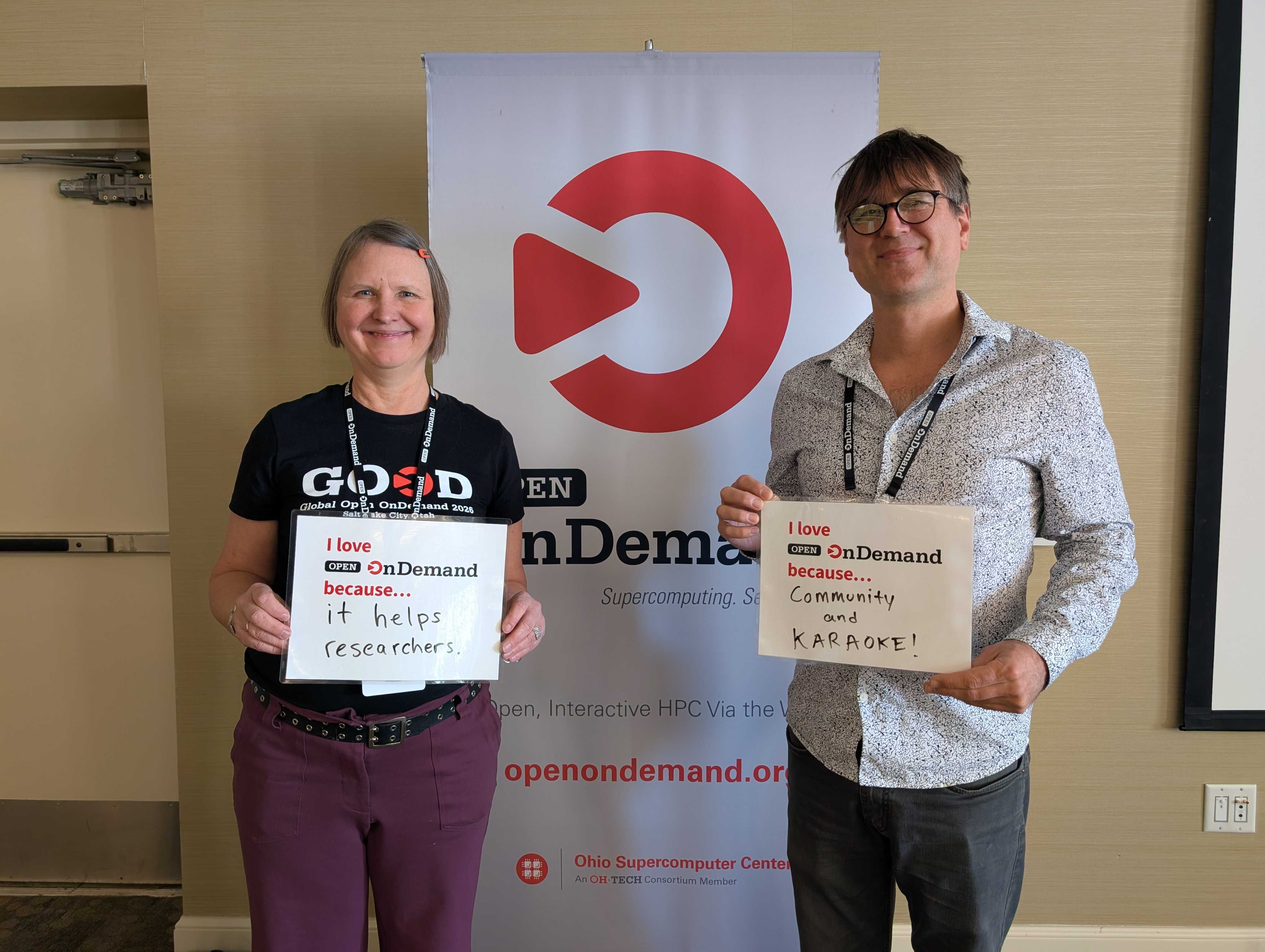
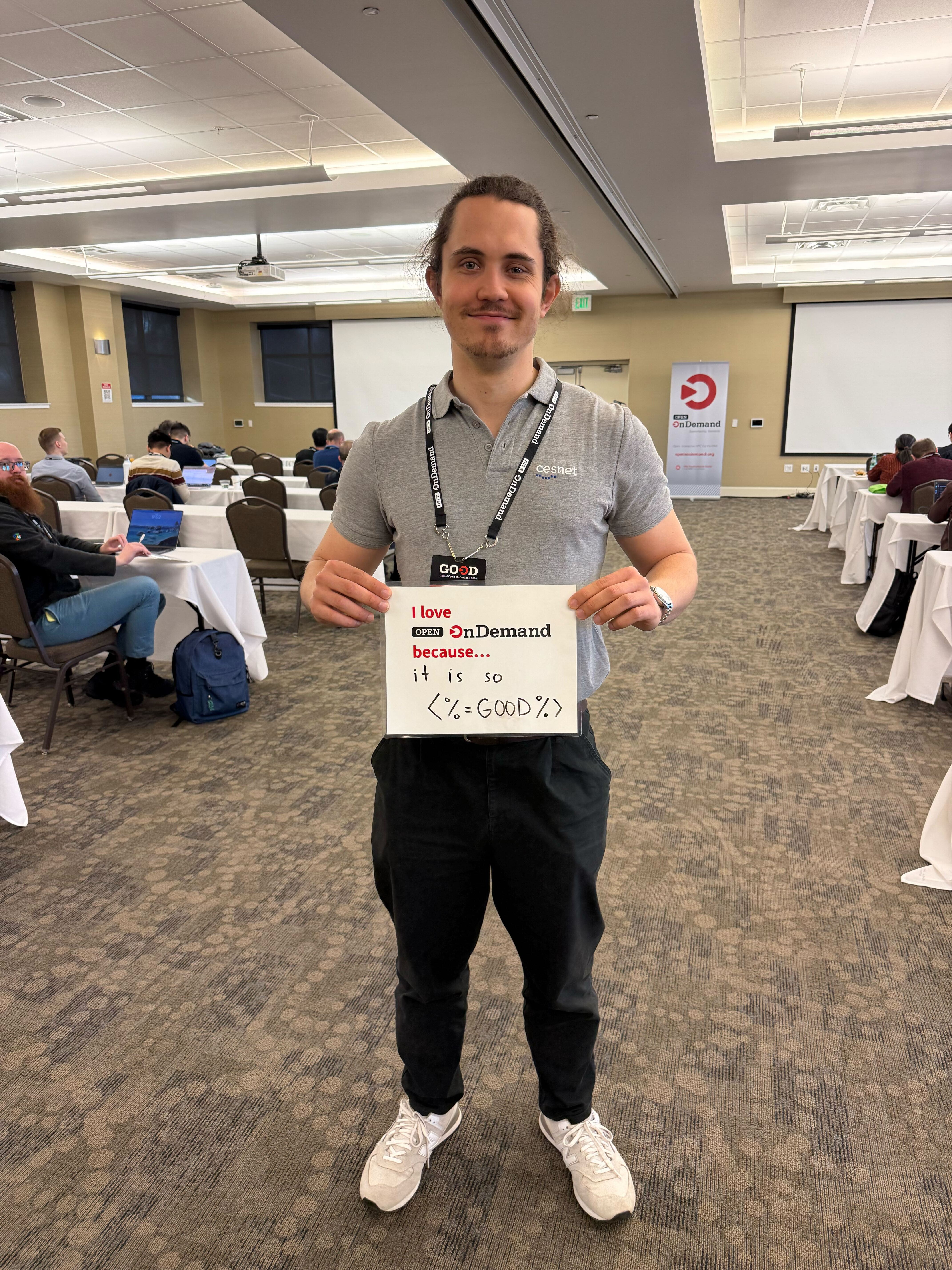
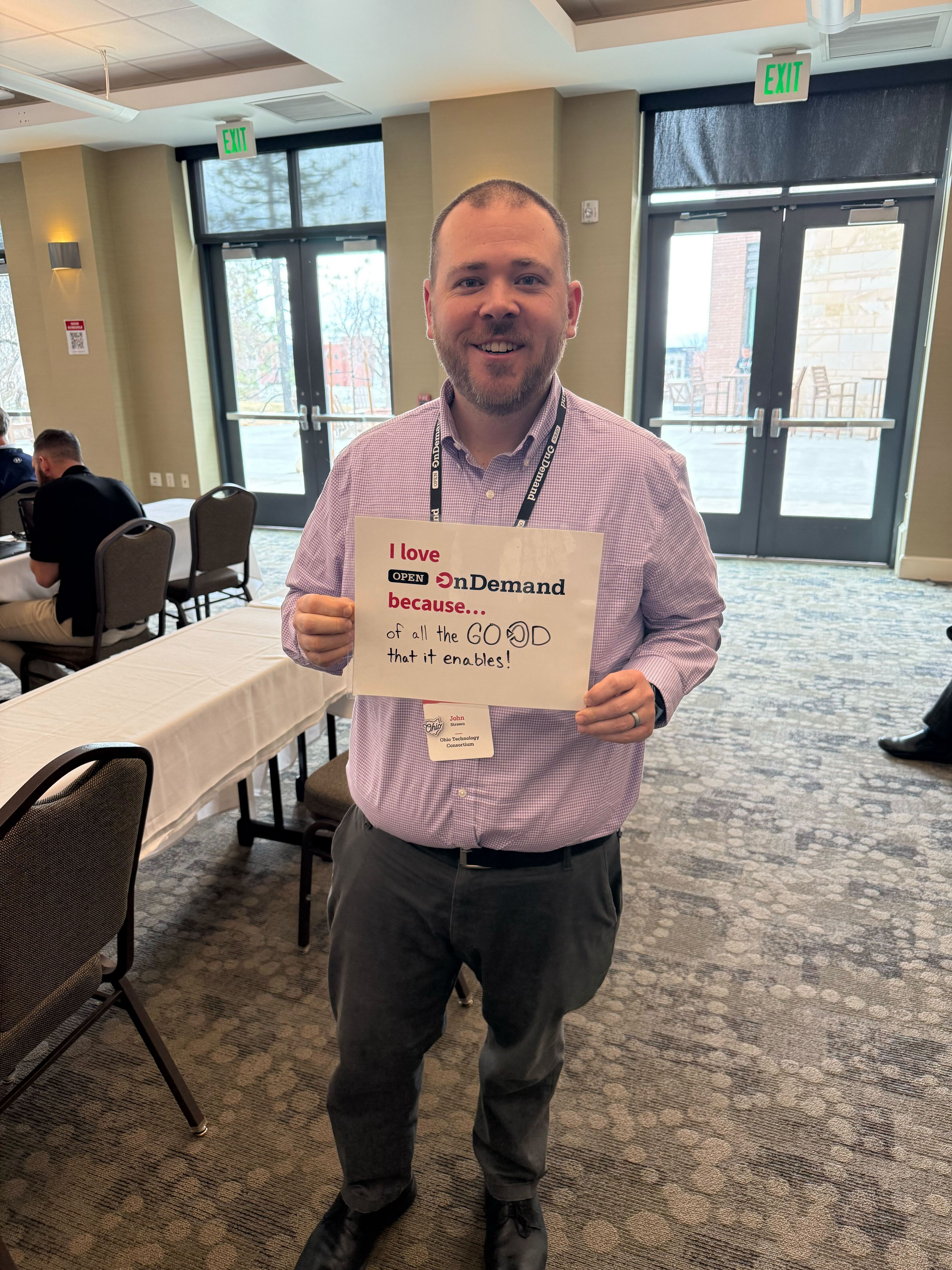
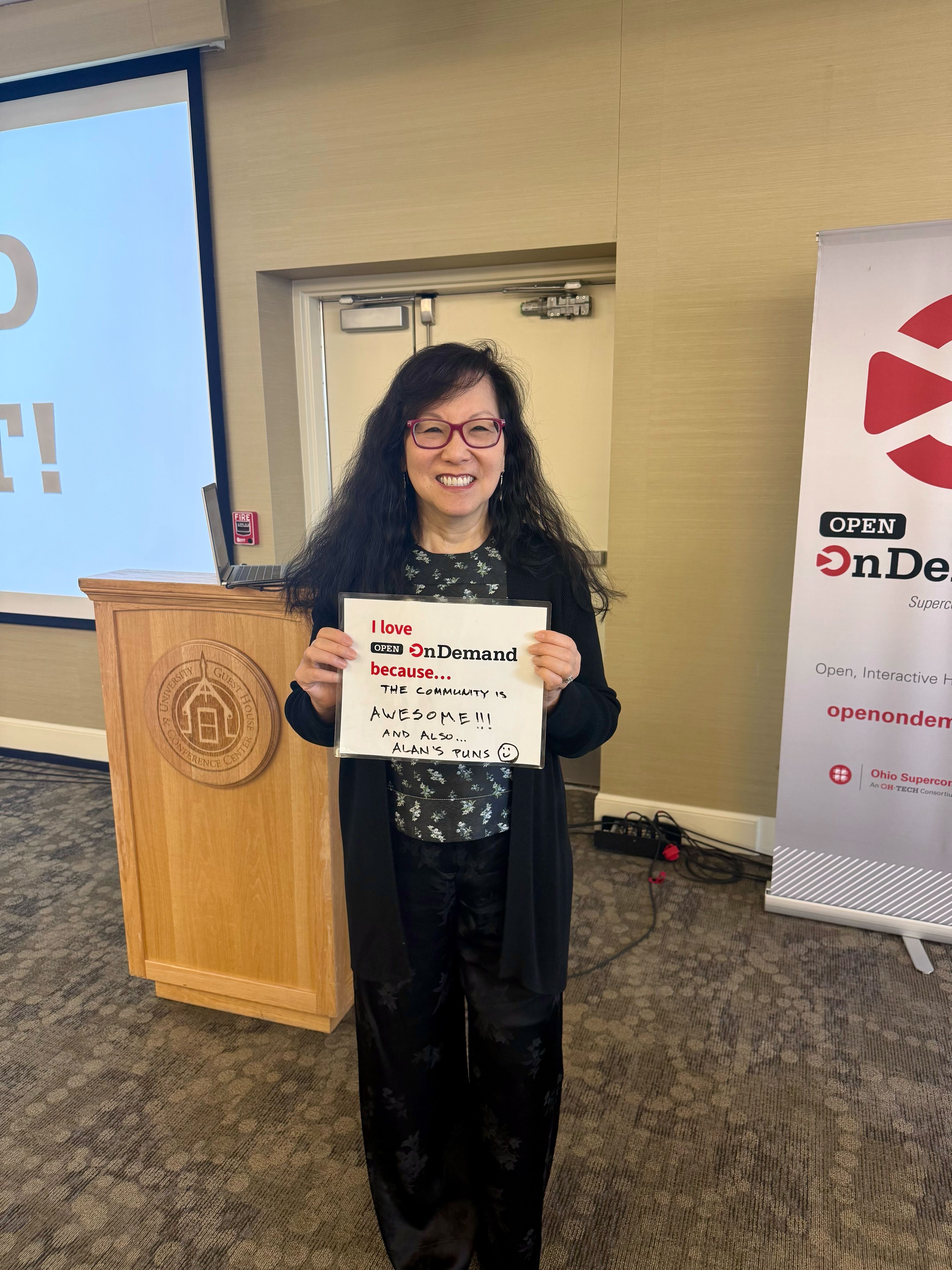
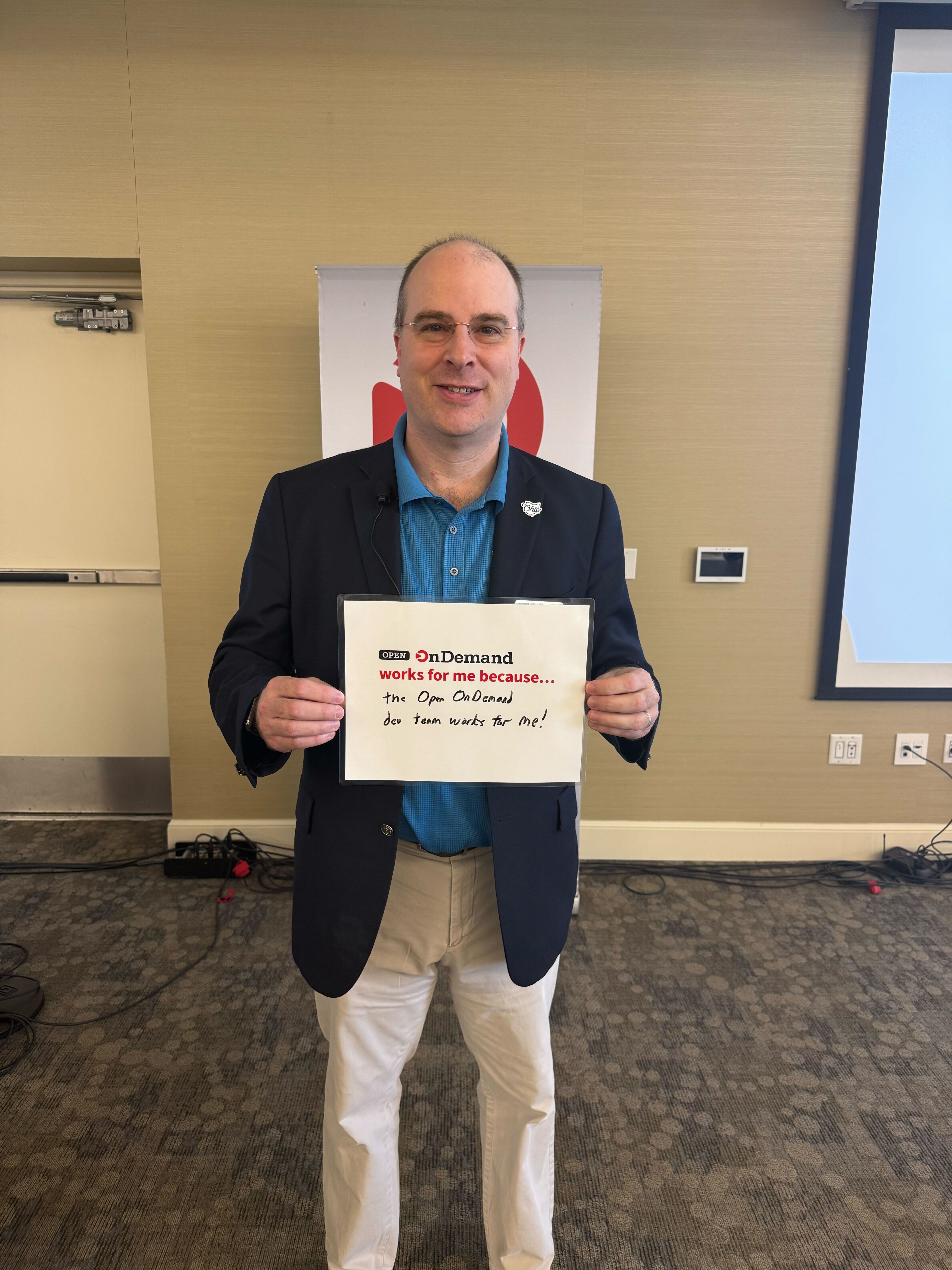
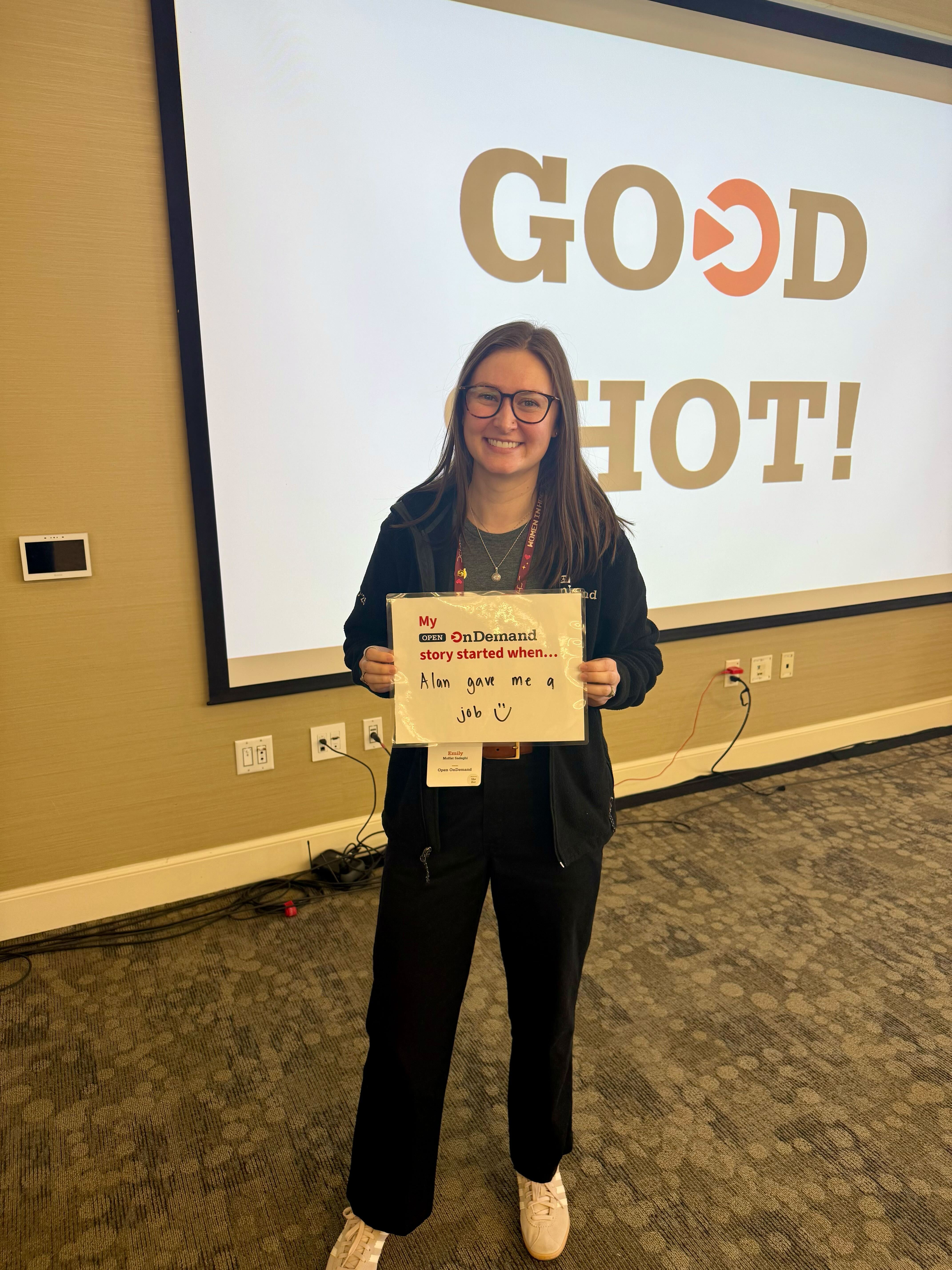
To highlight the personal impact of the platform, attendees were invited to share their experiences using Open OnDemand by completing prompts such as “I love Open OnDemand because…” and “My Open OnDemand story started when….” Participants described how the platform supports their research, teaching, and system administration work, with many noting how it simplifies access to HPC for faculty and students while making it easier for system administrators to support a wide range of users across their campuses.
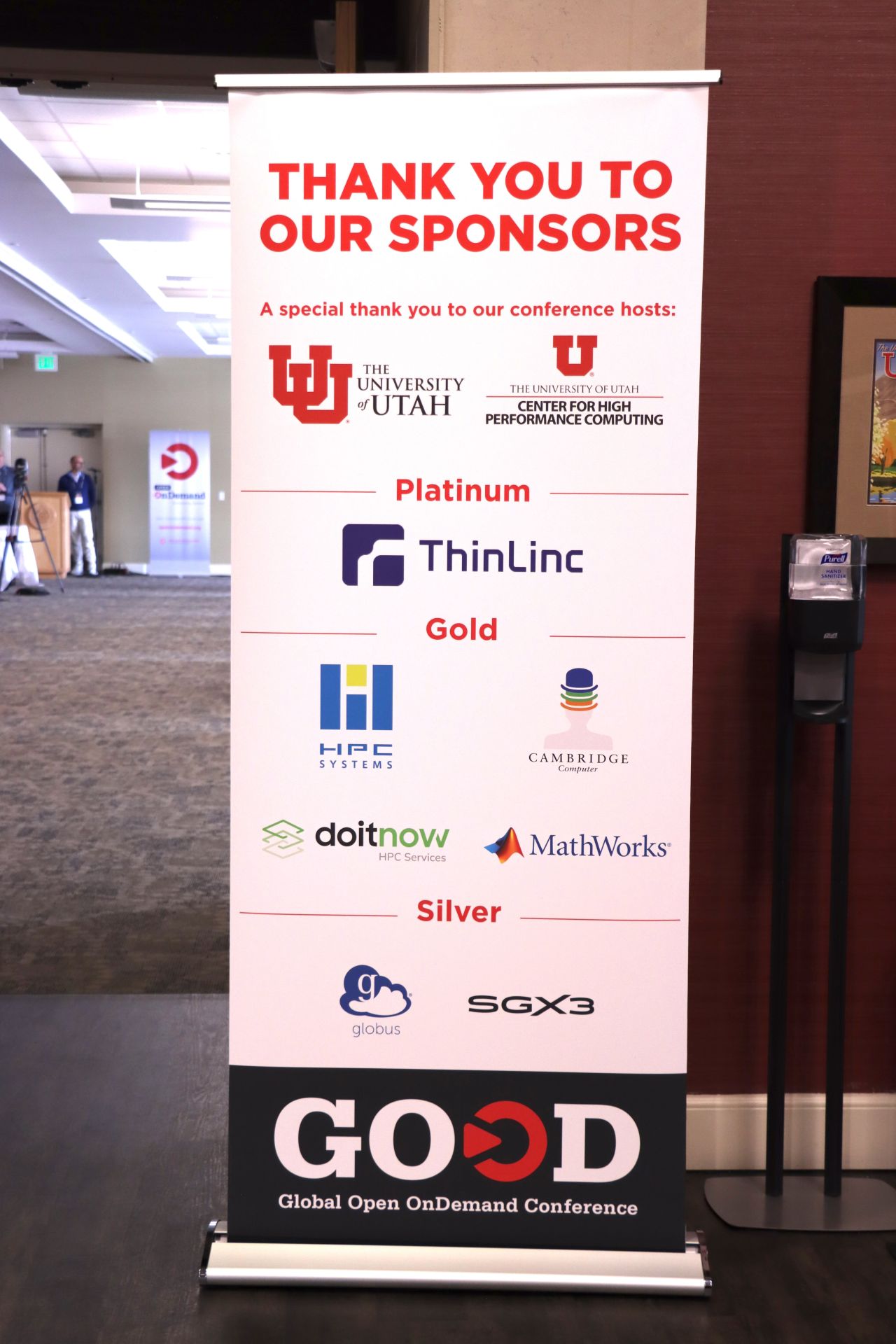
The 2026 GOOD Conference was made possible through the support of conference partners and sponsors.
The University of Utah served as the conference host. Additional sponsors included Cendio ThinLinc (Platinum); HPC SYSTEMS Inc., Cambridge Computer, Do IT Now, and MathWorks (Gold); and Globus.org and SGX3 (Silver).
NumFOCUS, a nonprofit organization that promotes open practices in research, data, and scientific computing, organized the conference in collaboration with the Open OnDemand project team. Many of the presentations were recorded and are now available to view online. A full list of the presentations, tutorials, panel discussions, and their abstracts may be viewed on the GOOD Conference website.
Members of the Open OnDemand community can get involved year-round by contributing code or documentation, attending virtual webinars and developer office hours, engaging on Discourse, and following along on LinkedIn.
Organizations interested in Open OnDemand can participate in the Open OnDemand Support Program, which provides support, resources, and guidance to users while also helping sustain the project and contribute to its future direction.
Photo gallery
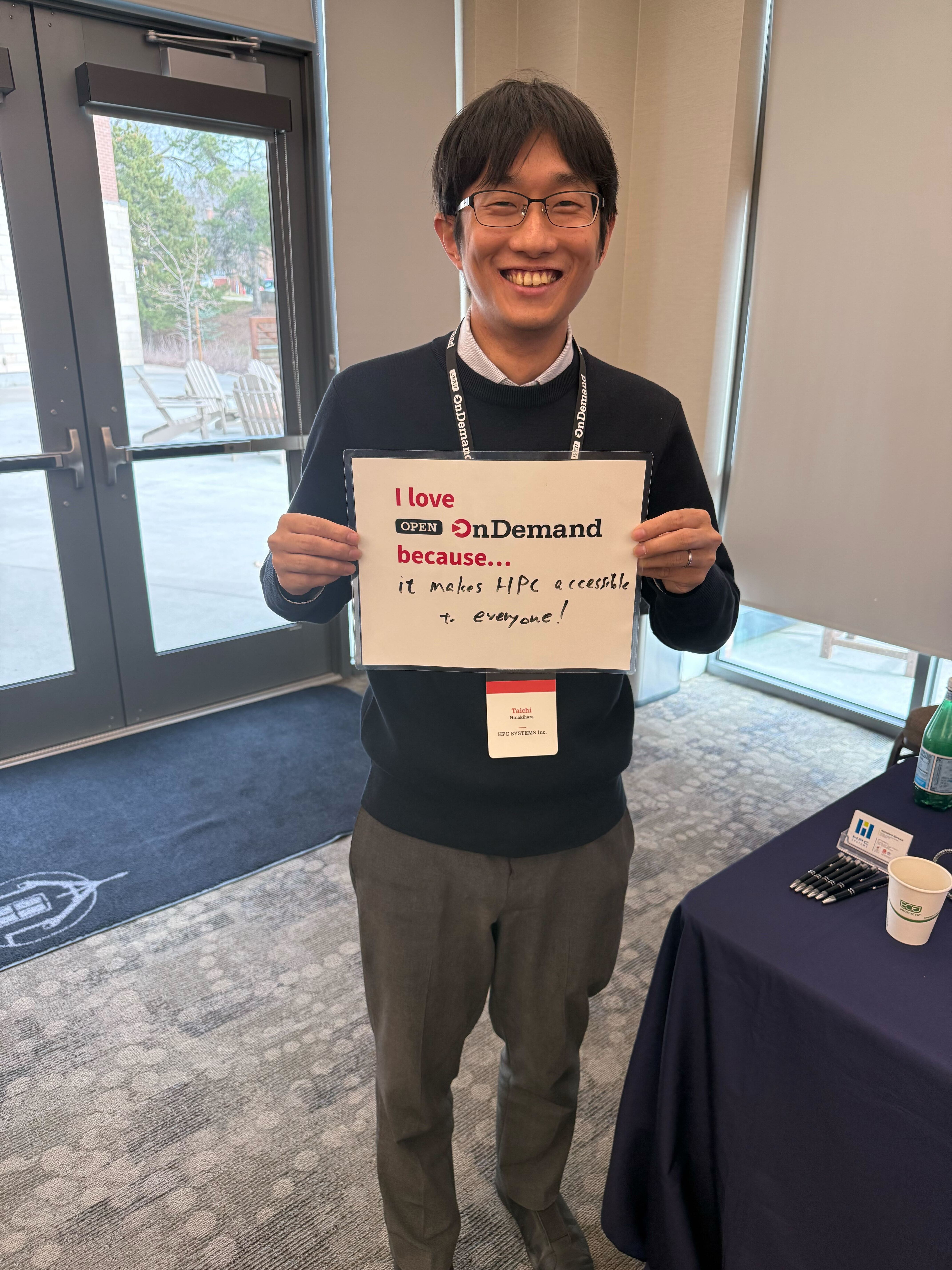
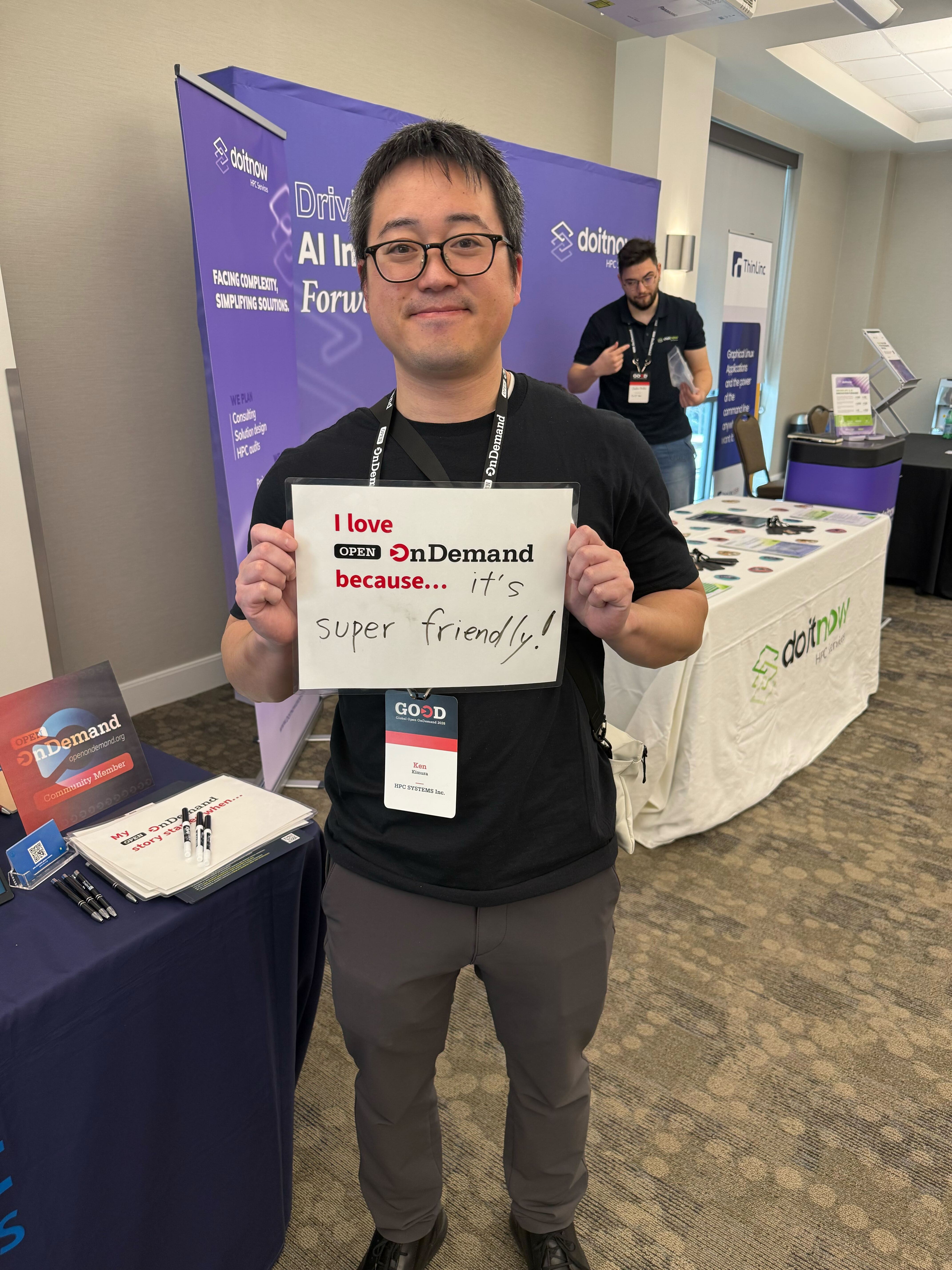
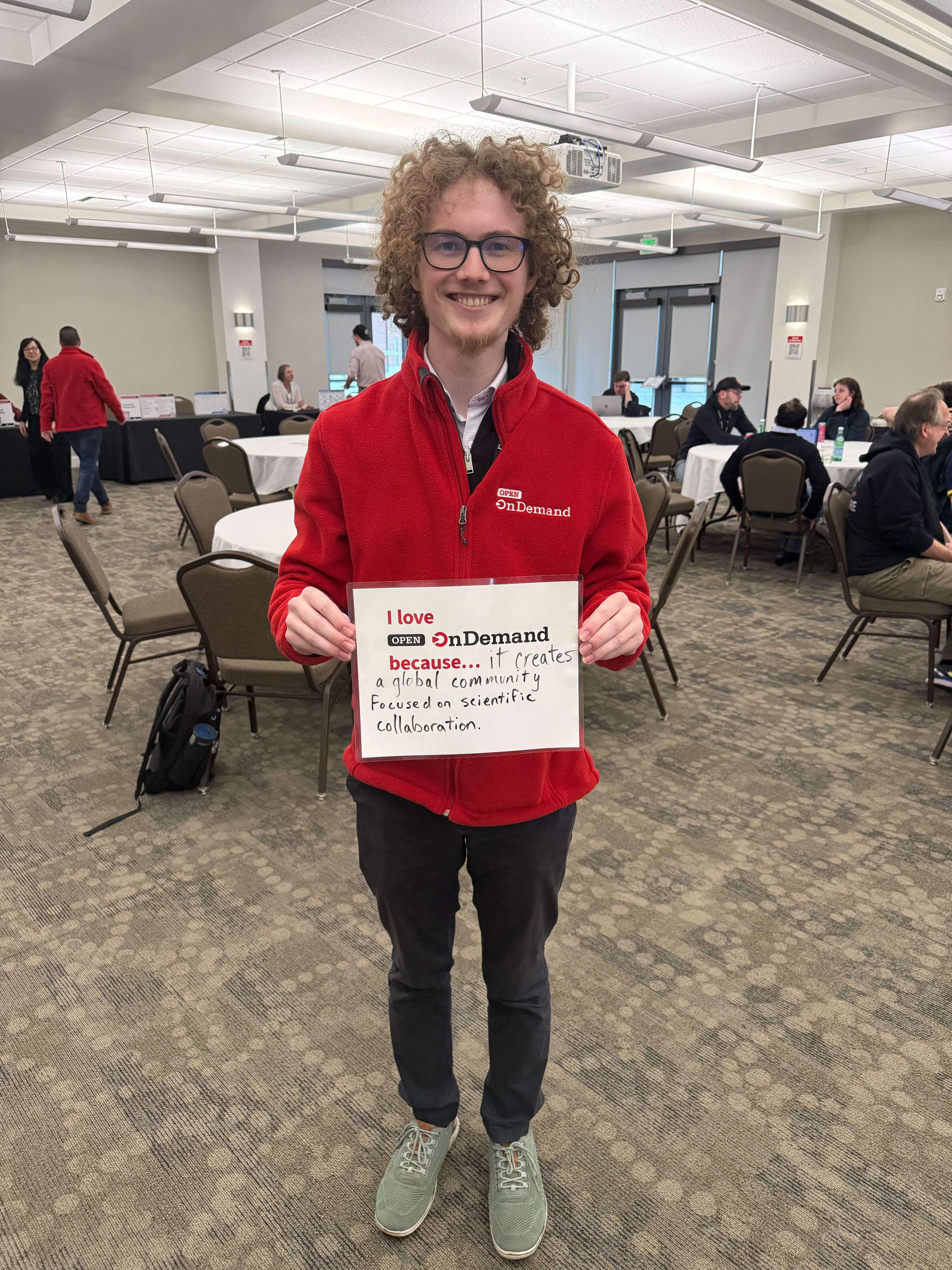
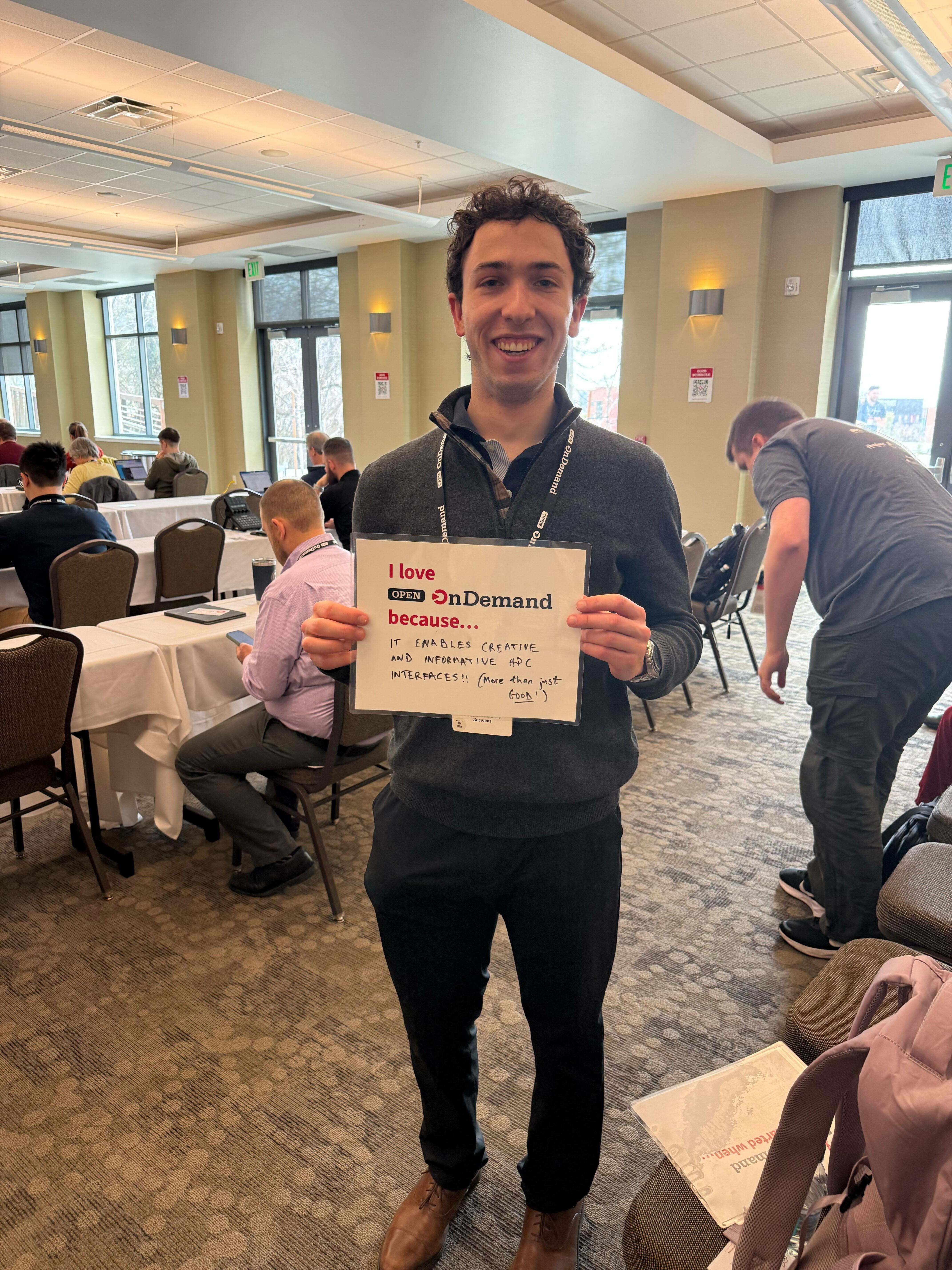
The Ohio Supercomputer Center (OSC) addresses the rising computational demands of academic and industrial research communities by providing a robust shared infrastructure and proven expertise in advanced modeling, simulation and analysis. OSC empowers scientists with the services essential to making extraordinary discoveries and innovations, partners with businesses and industry to leverage computational science as a competitive force in the global knowledge economy and leads efforts to equip the workforce with the key technology skills required for 21st century jobs.
