
Across the United States, higher education institutions are navigating the rapidly evolving artificial intelligence (AI) landscape, as faculty and students assess how to effectively incorporate machine learning, data analytics, large language models, and other AI tools into their classroom instruction and research.
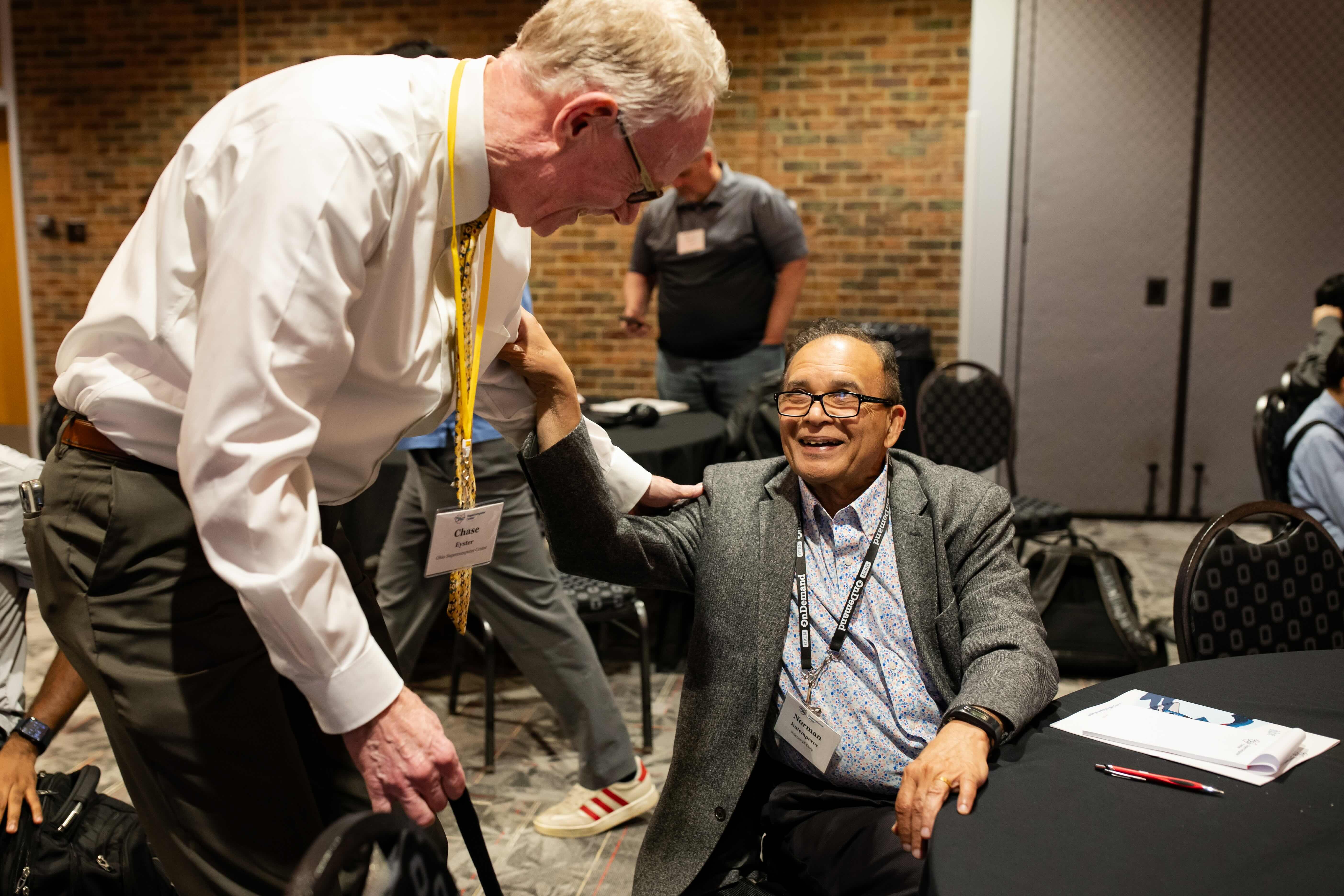
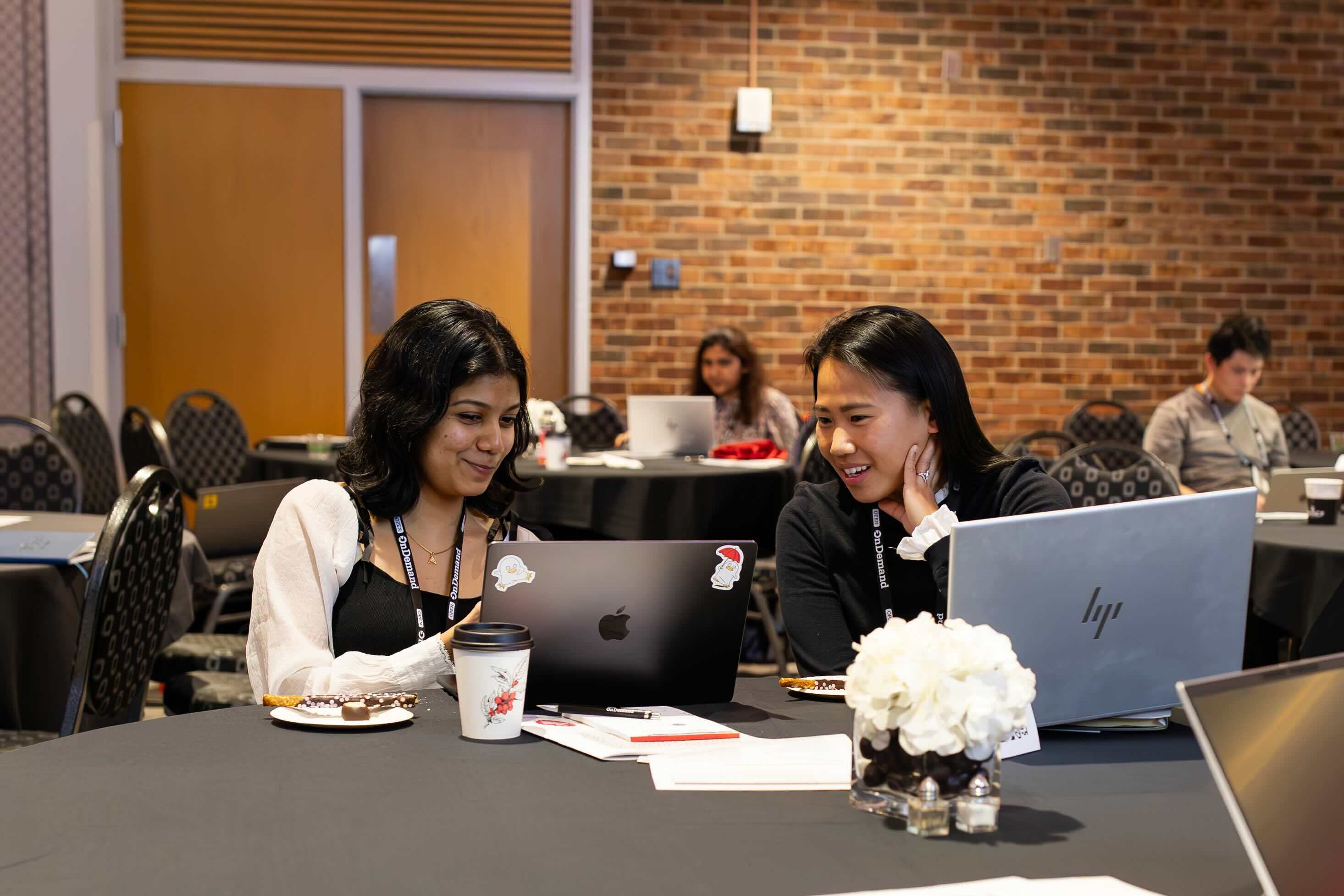
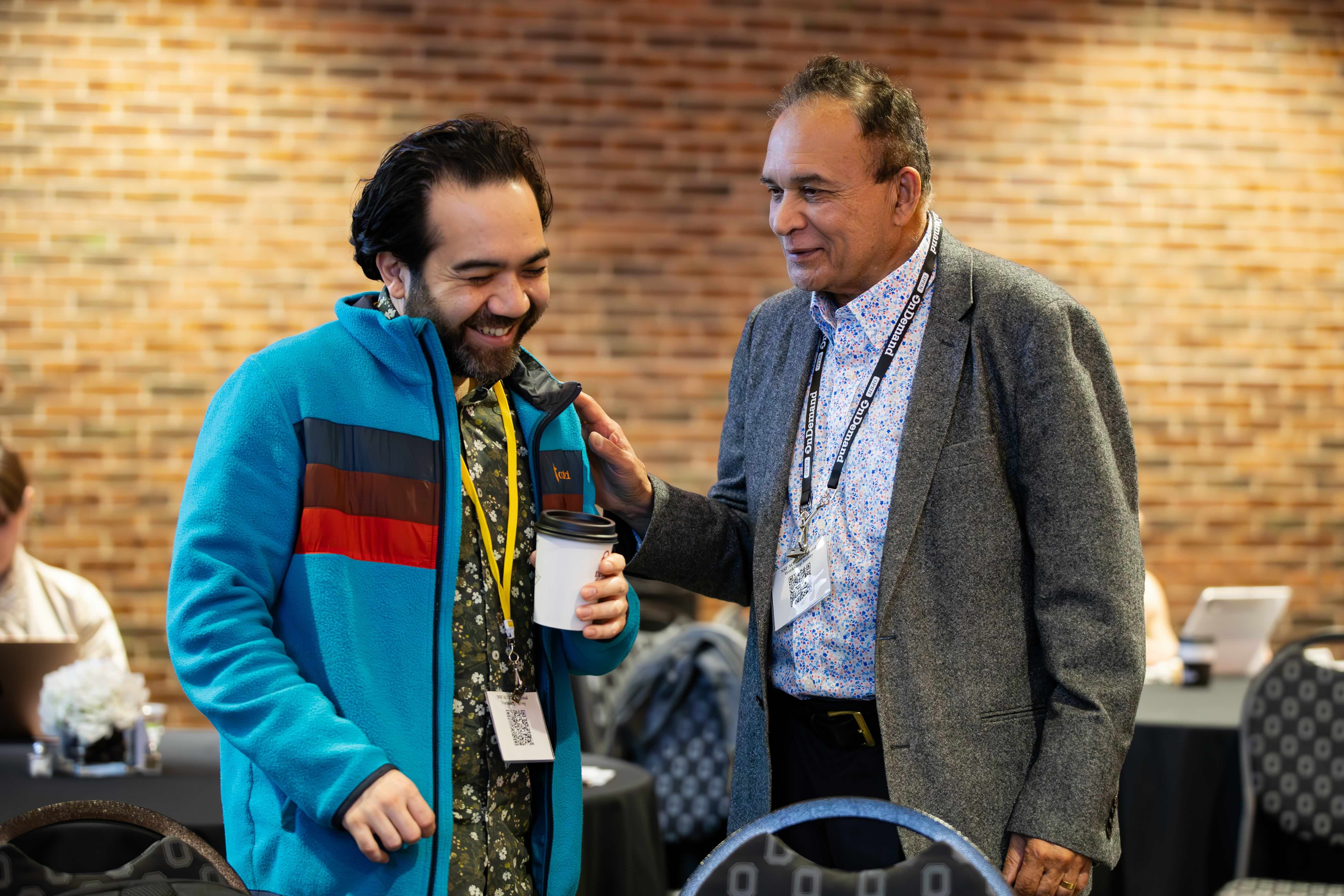
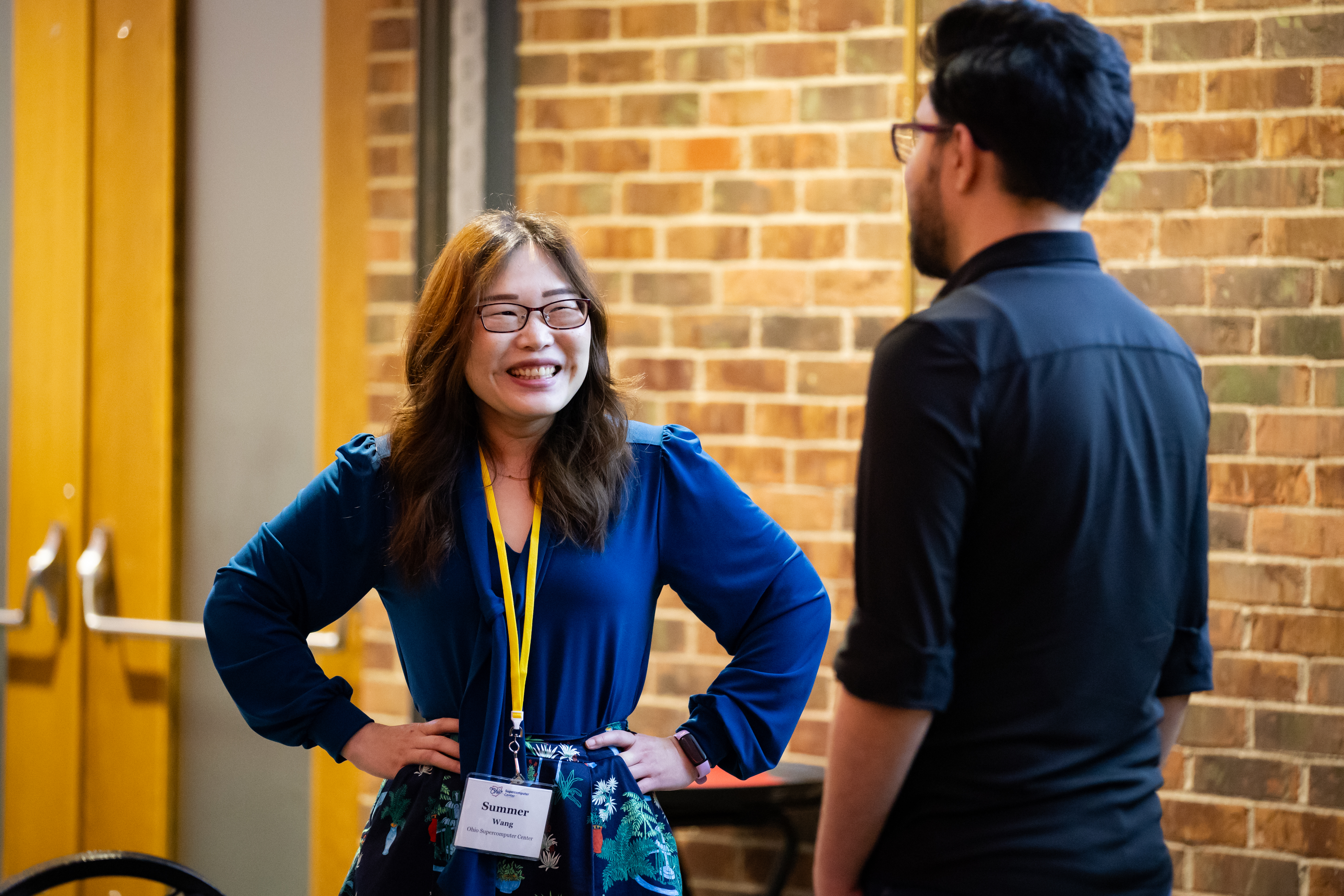
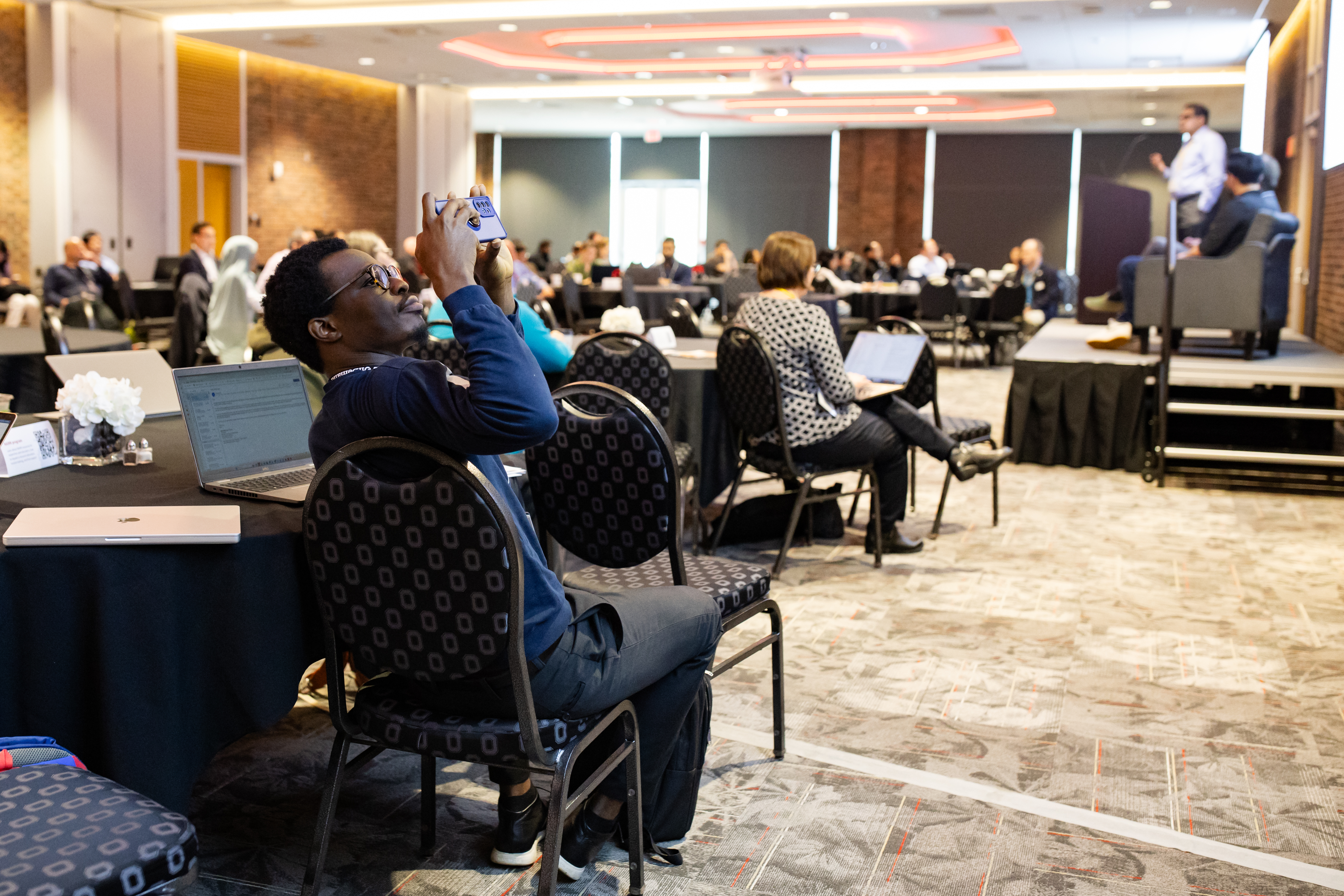
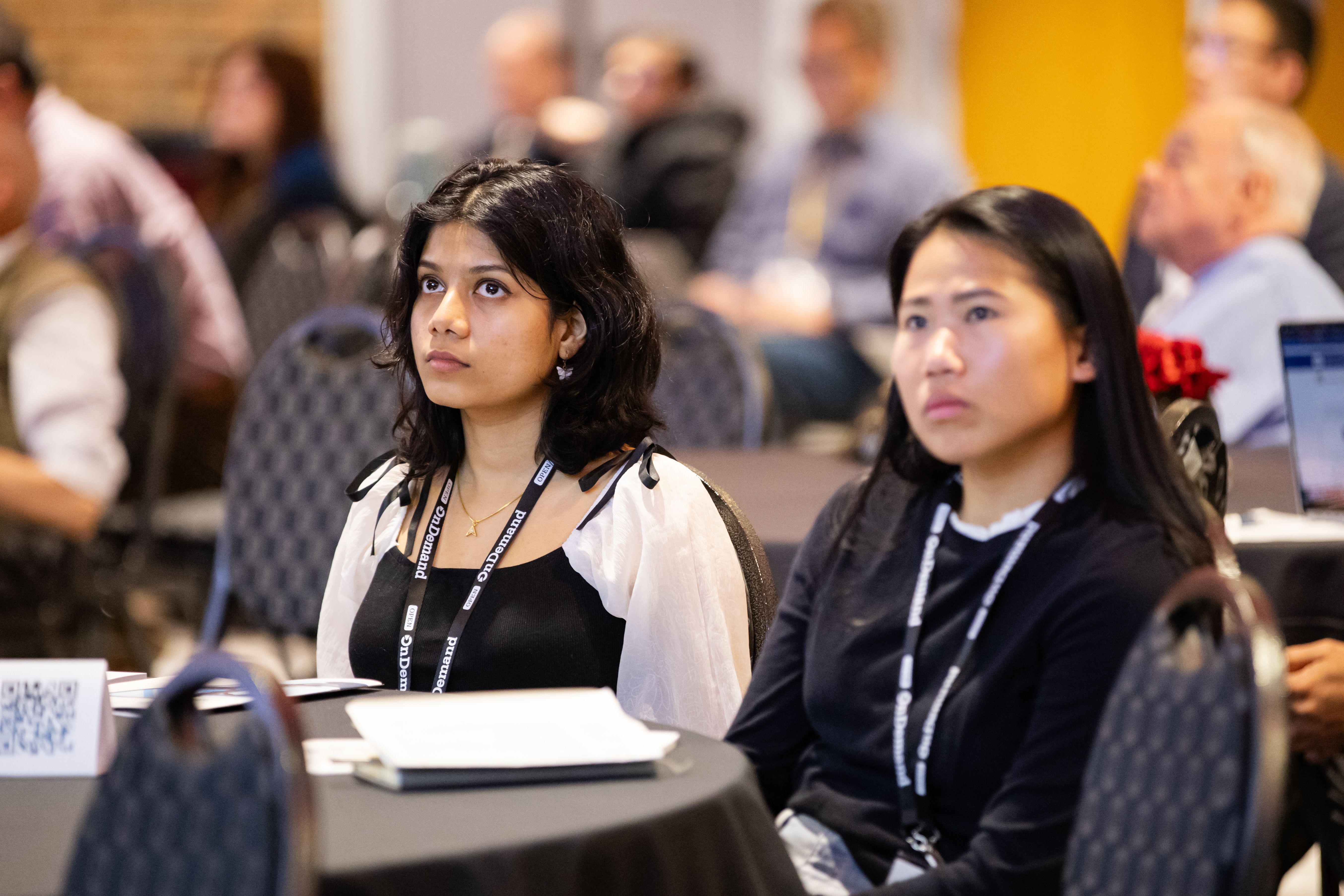
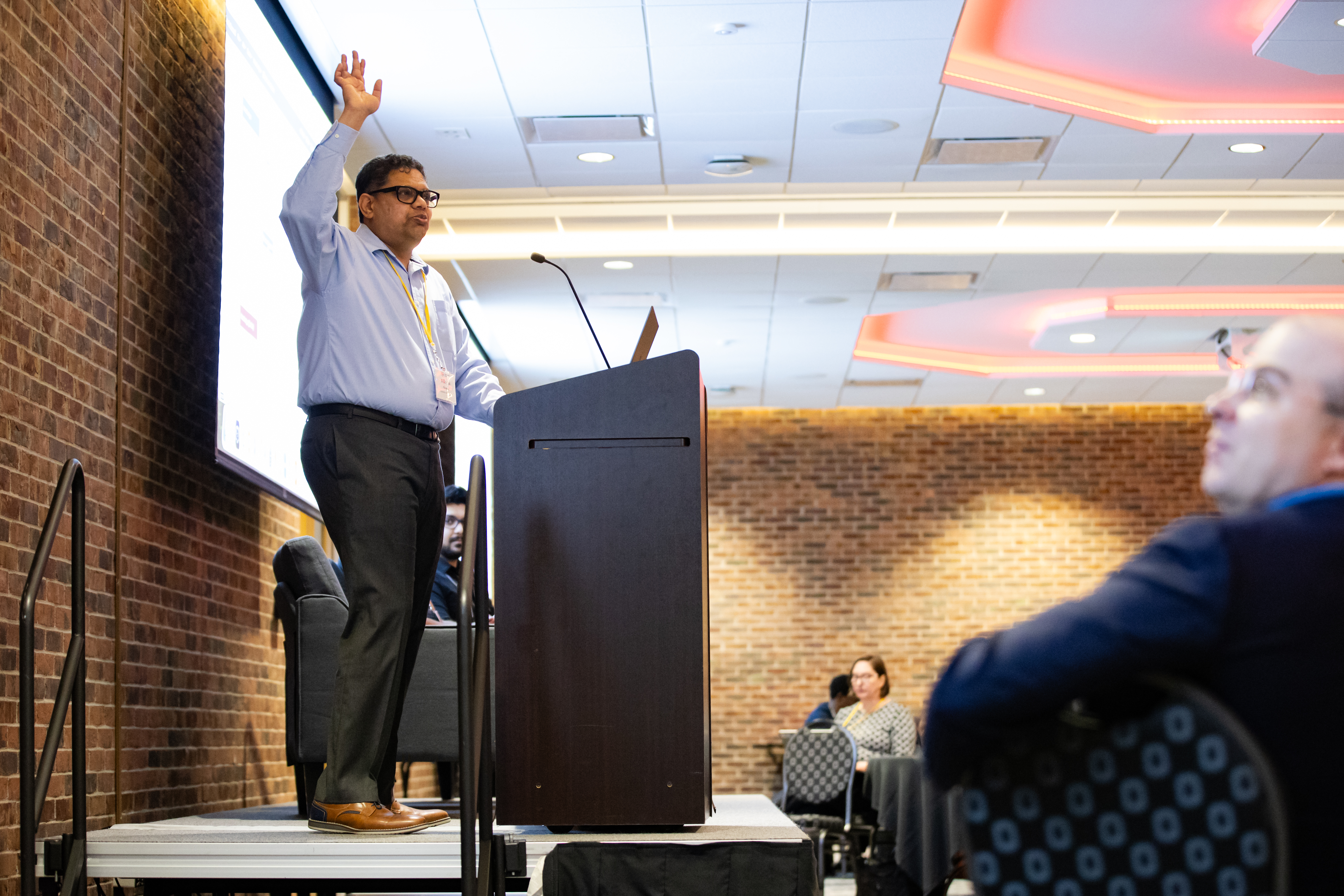
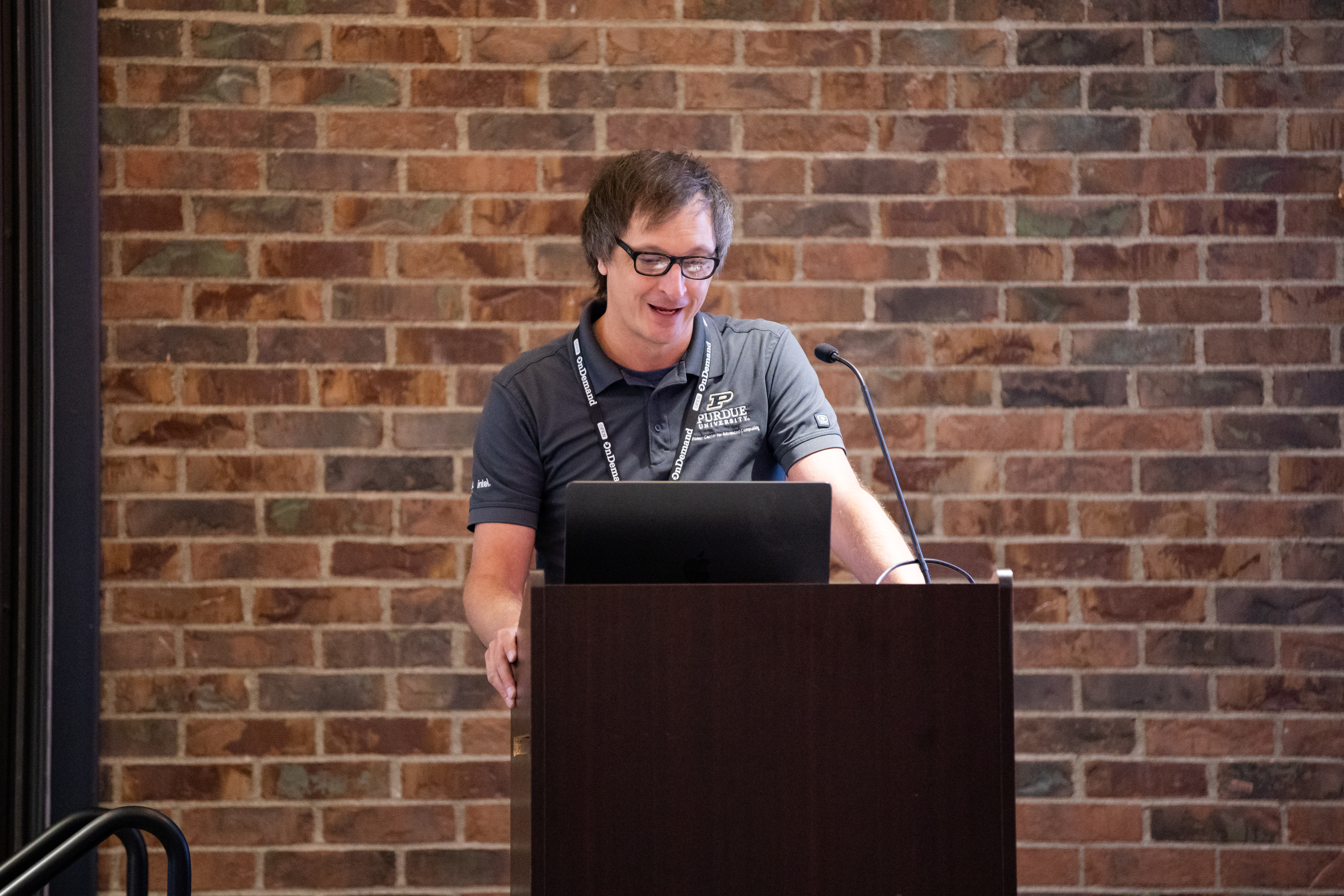
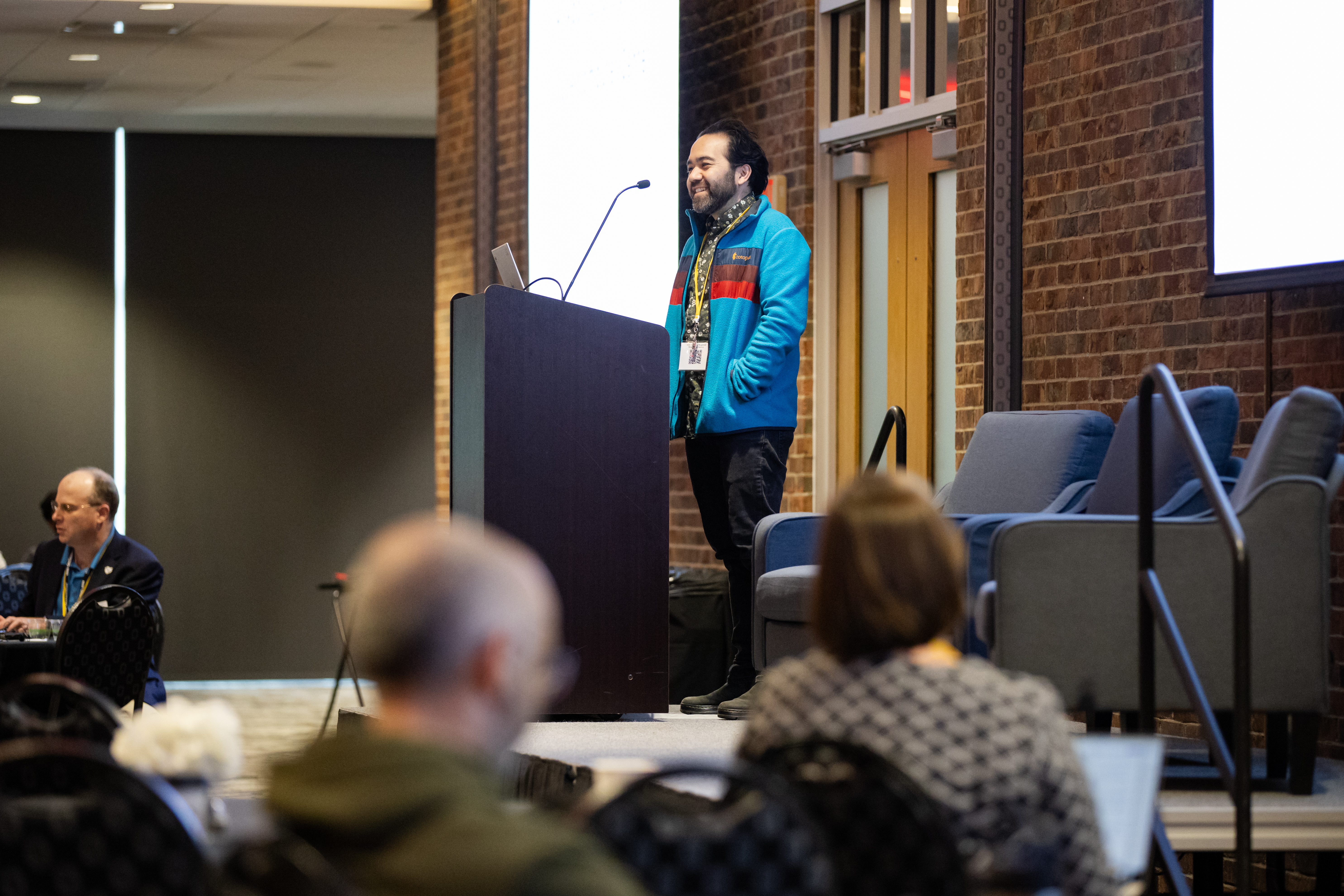
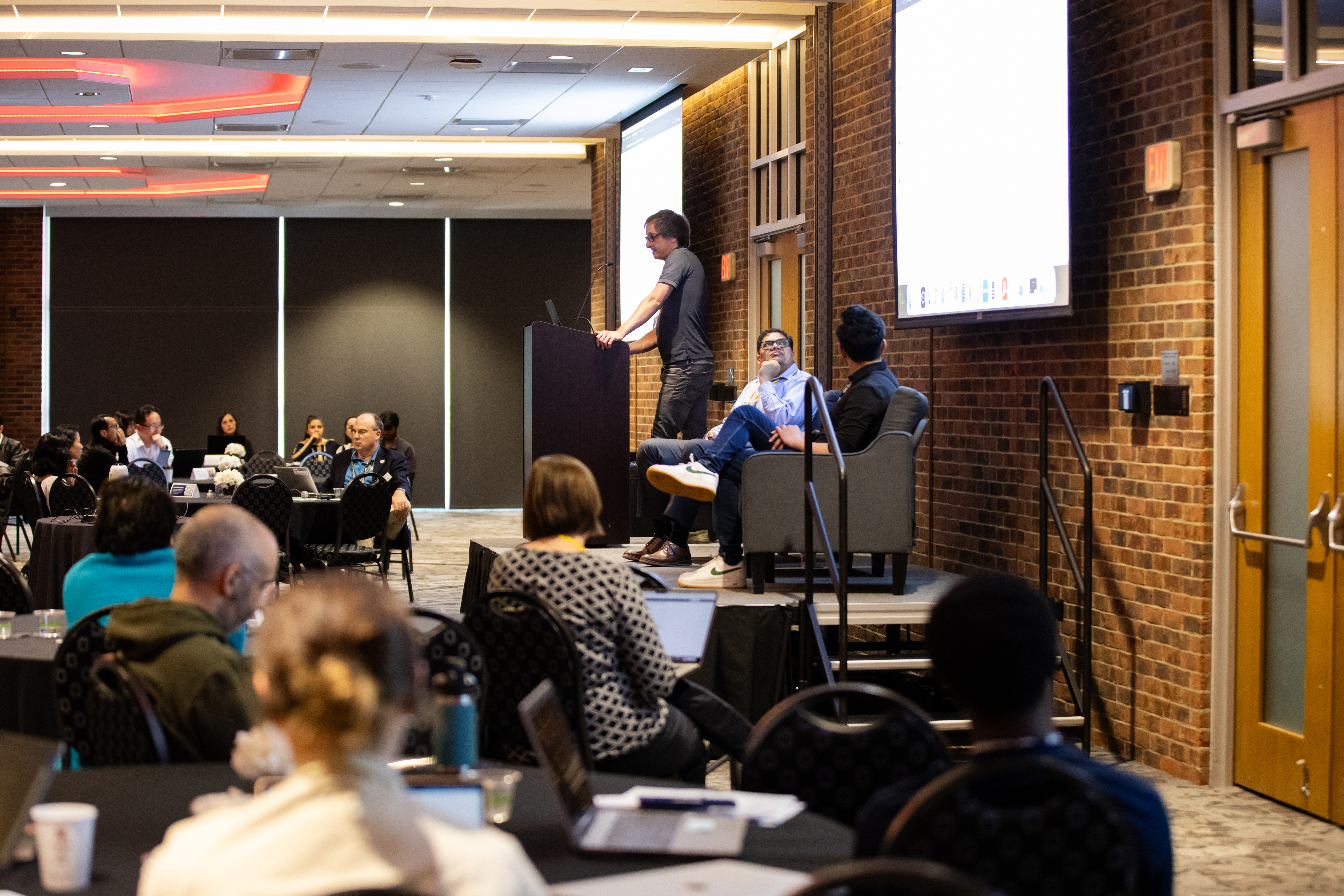
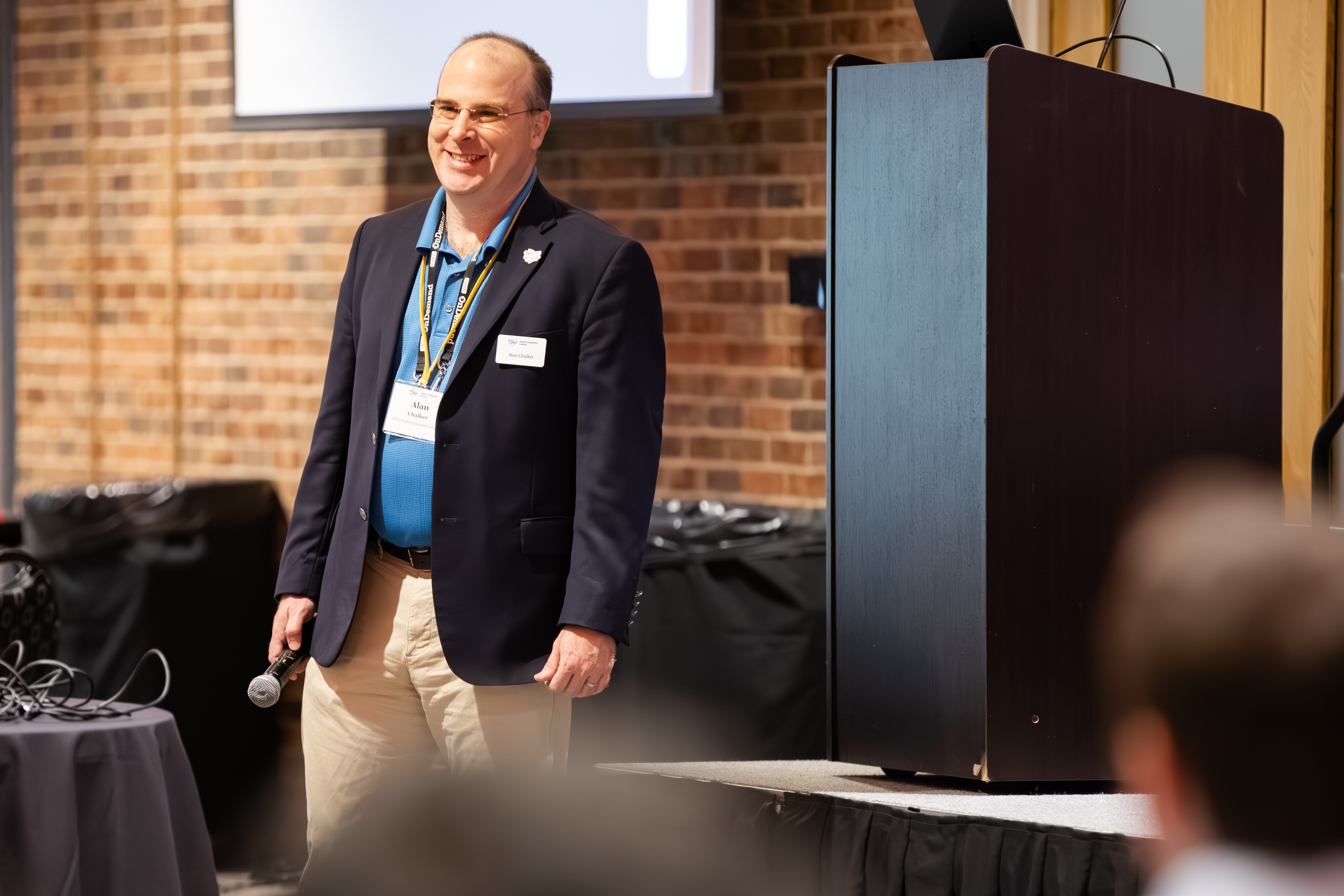
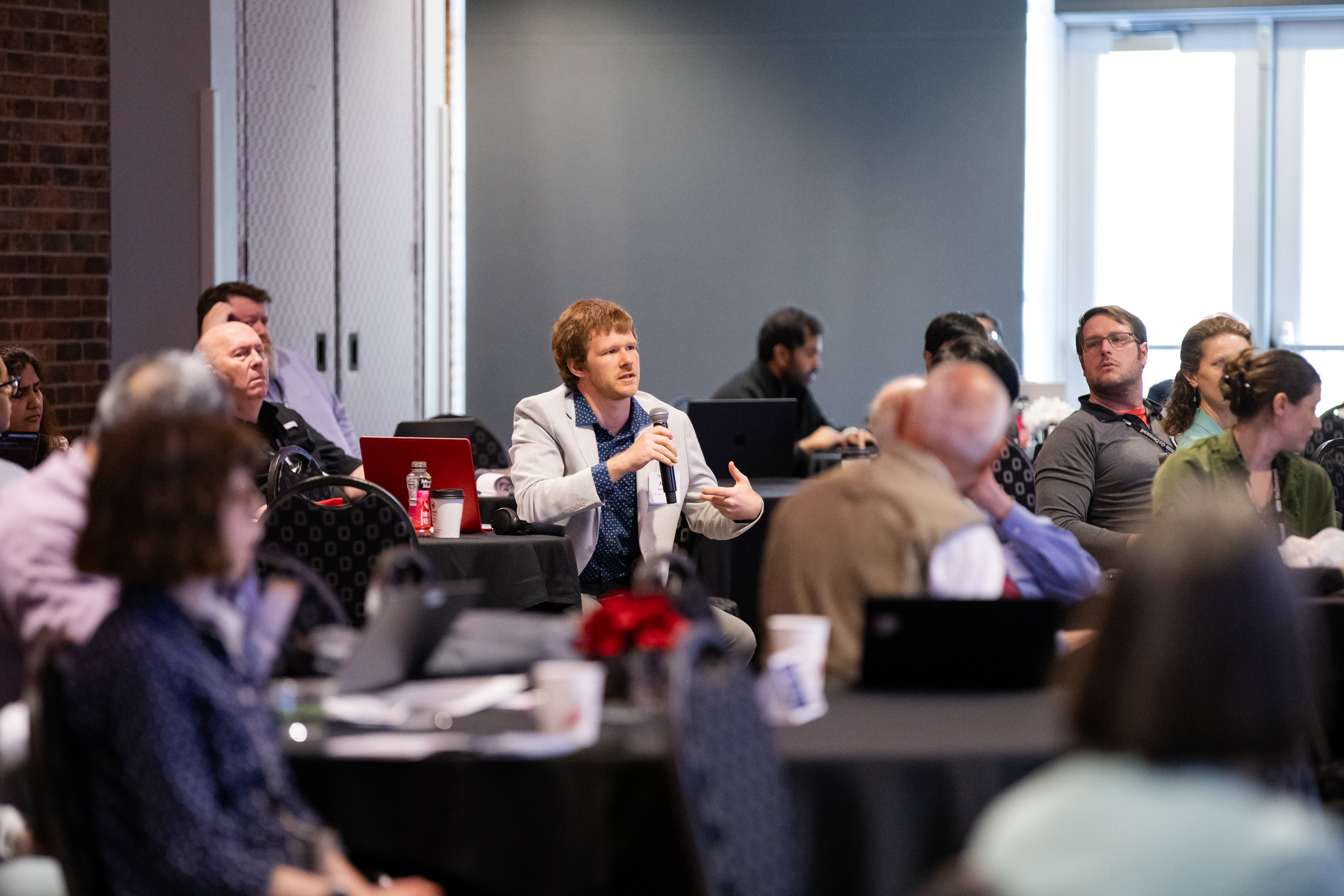
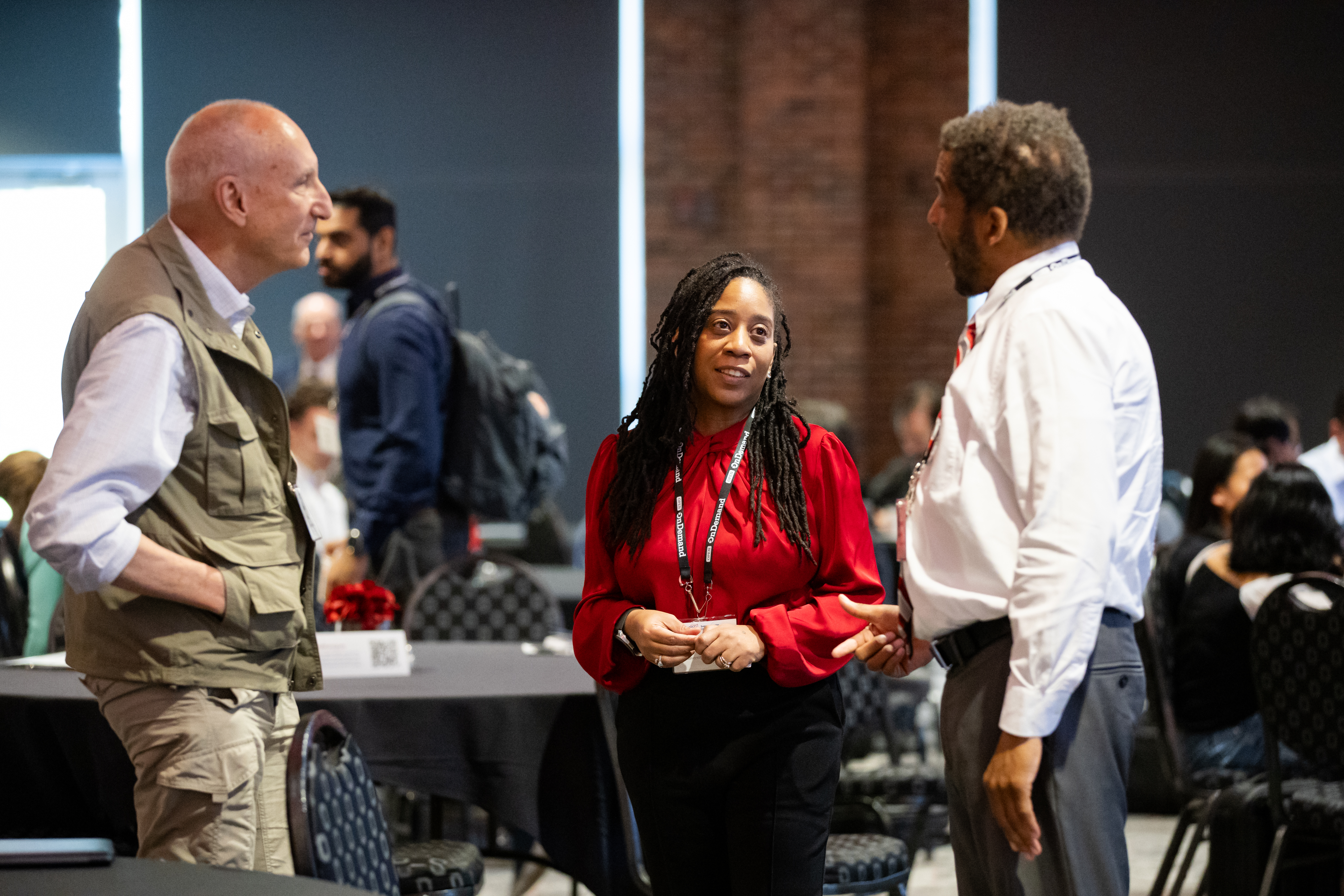
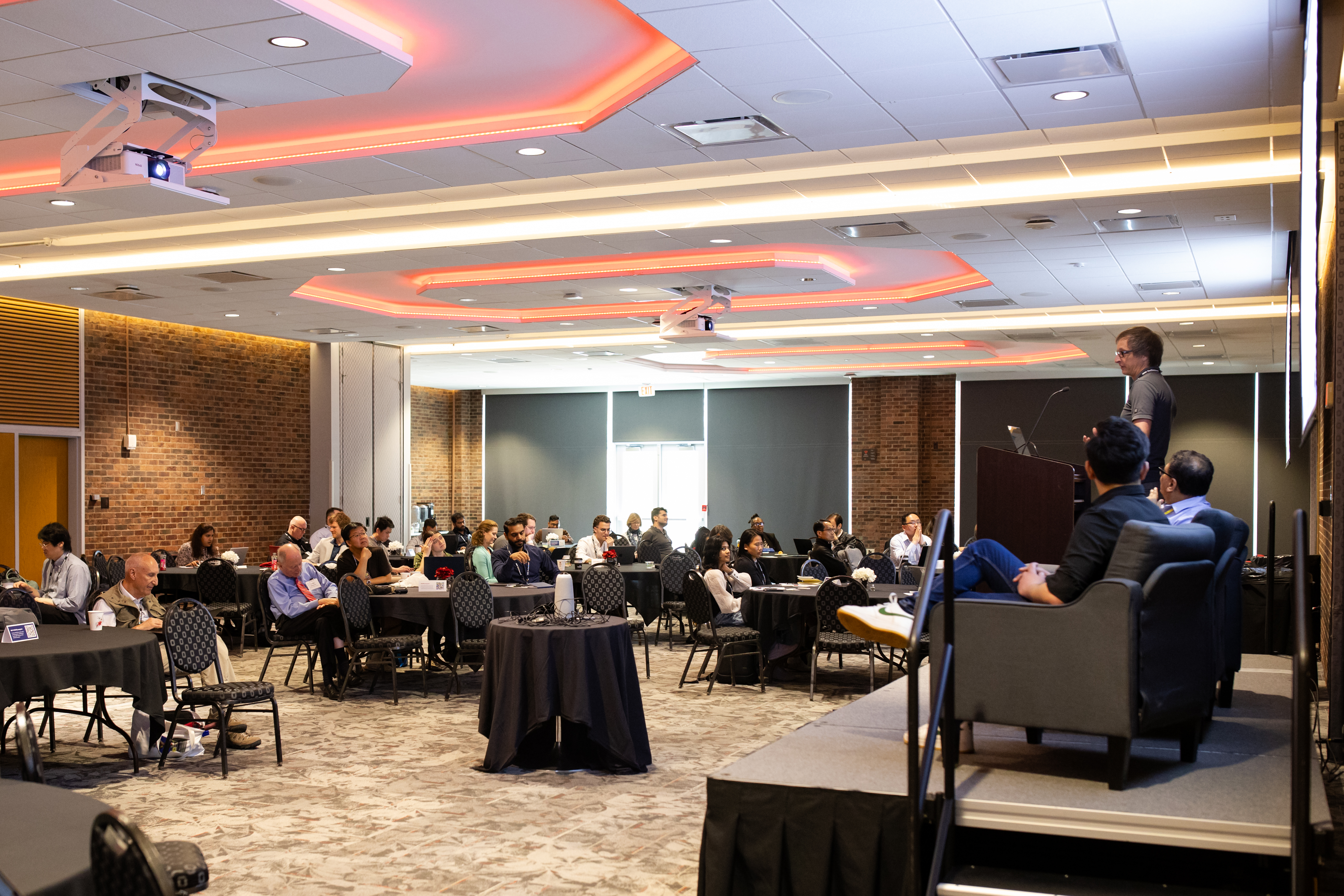
To discuss emerging best practices and spotlight national resources available for academia, the Ohio Supercomputer Center (OSC) hosted a National Science Foundation (NSF) ACCESS Regional Workshop on AI April 14-15, 2026, at The Ohio State University that attracted nearly 100 faculty, administrators, and students.
The free event, sponsored by the NSF ACCESS program and the National AI Research Resource (NAIRR), is part of a regional series based on the NAIRR Pilot’s AI Unlocked: Empowering Higher Ed through Research and Discovery workshop. The University of Colorado Boulder, the leader of an NSF ACCESS project on which OSC serves as collaborator, was instrumental in organizing the workshop opportunity.
“As a member of NSF ACCESS, OSC was pleased to provide a forum that could help educate researchers, students, and technical staff in higher education institutions about the growing number of AI resources available through federal programs such as NAIRR and ACCESS, which can support new teaching or research initiatives,” said David Hudak, executive director of OSC.
AI experts from institutions across the Midwest—Ohio State, University of Kentucky, University of Illinois Urbana-Champaign, University of Cincinnati, Purdue University, Ohio University, and Case Western Reserve University—gave talks or led panel discussions on topics such as developing campus AI services, supporting AI in clinical research, and weighing issues of privacy, equity, and ethics when using AI tools.
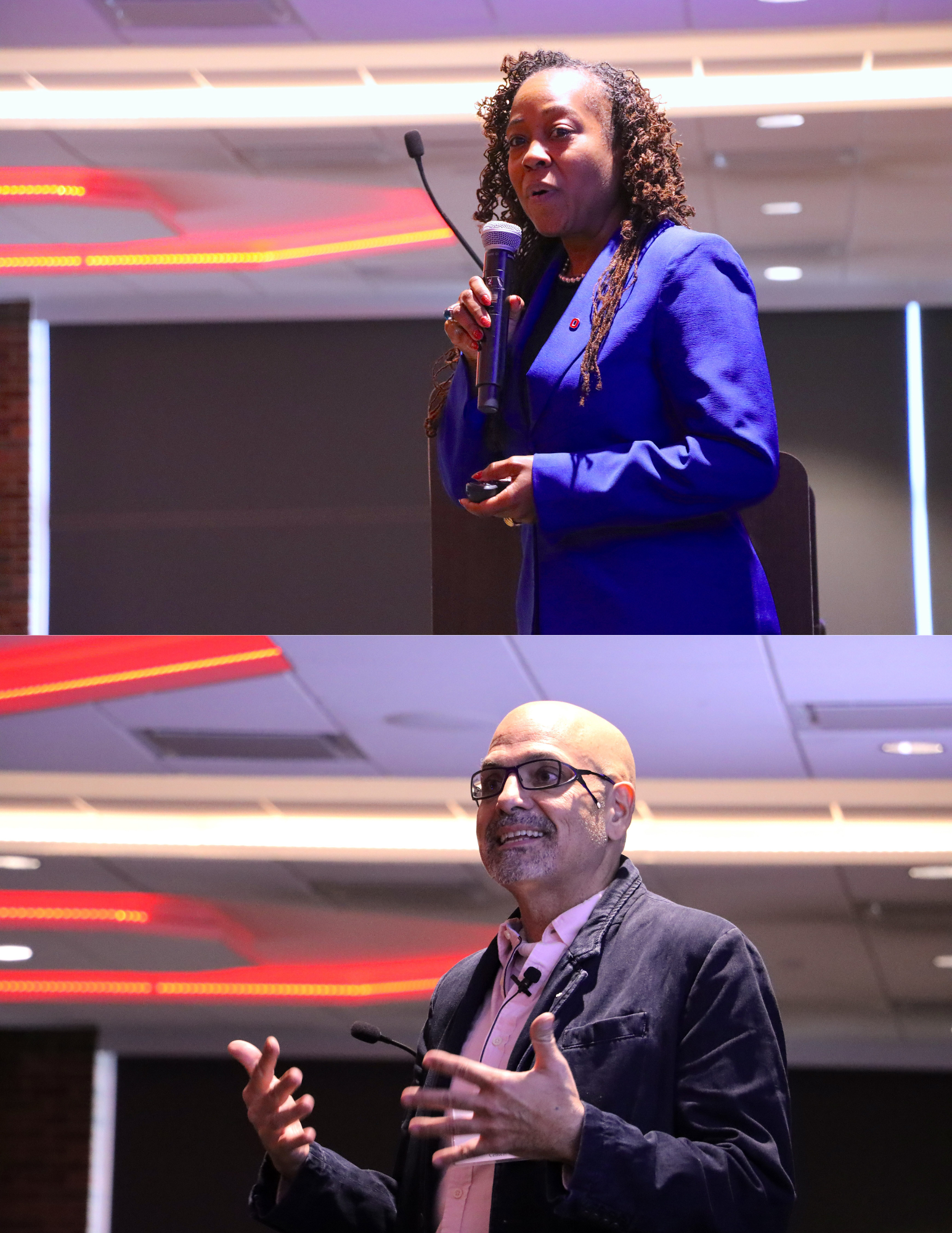
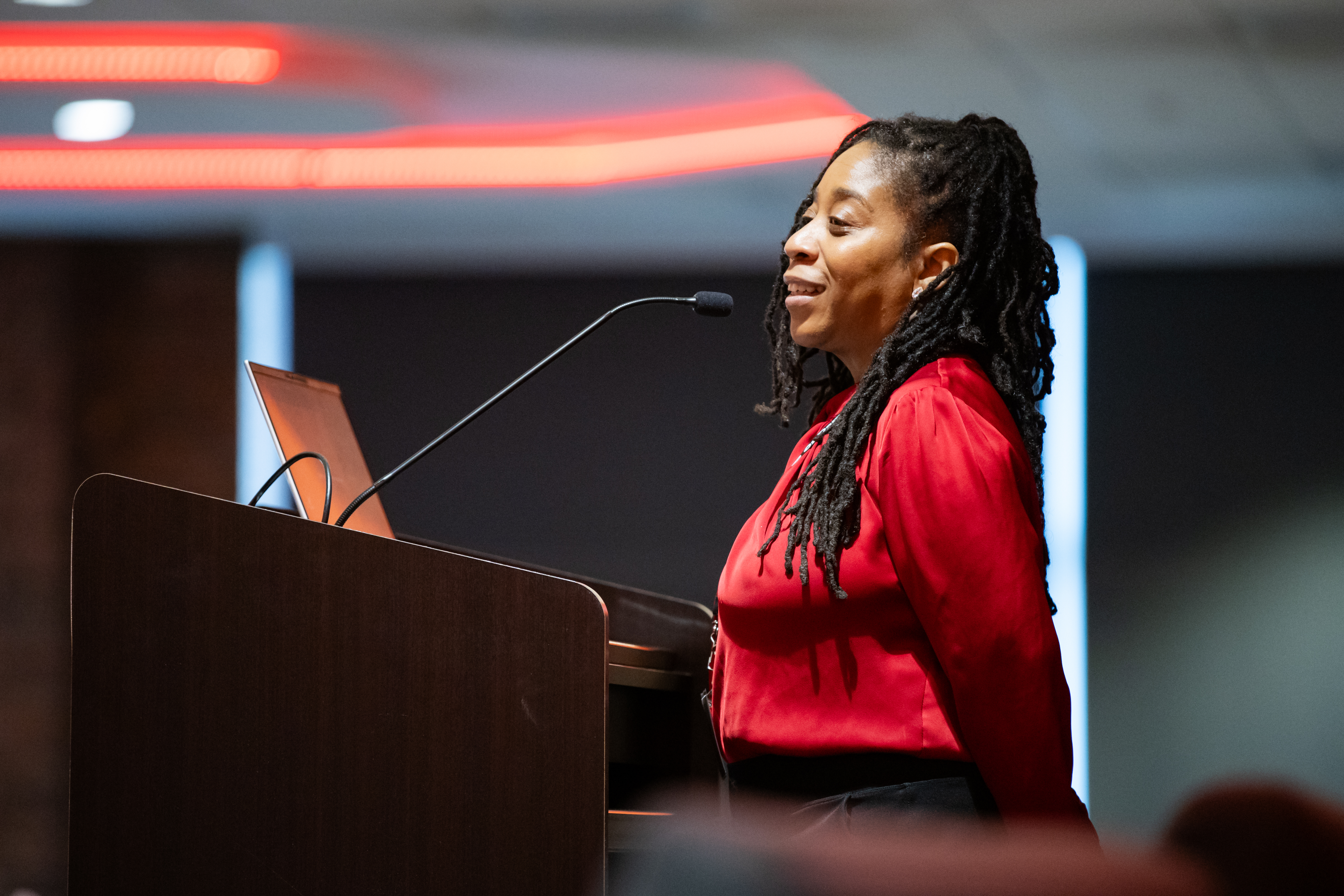
Ayanna Howard, dean of Ohio State’s College of Engineering and the author of the book “Rebooting the Machines: A new human vision for artificial intelligence,” gave Tuesday’s keynote lecture. Howard, who has conducted research in the robotics field for more than 30 years, discussed human-AI interactions, perceptions, and behaviors, as well as the implications for incorporating AI into real-world environments.
Timothy Huerta, professor of family medicine, chief research information officer, and associate dean for research information technology at Ohio State’s College of Medicine and Wexner Medical Center, gave Wednesday’s keynote lecture. Huerta discussed how researchers should consider the strengths and limitations of using large language models (LLMs) in writing and data analysis, stressing that LLMs should support human judgement and not replace it.
Workshop sessions also covered how faculty are using AI to solve specific research problems, such as designing therapeutics as countermeasures to pesticide and chemical nerve agent exposure, developing custom crop management strategies tailored to individual agricultural operations, and analyzing millions of images of living creatures to build a more detailed tree of life.
In addition, speakers discussed how their universities are creating comprehensive programs to integrate AI into the student educational experience, guiding faculty on how to incorporate AI into teaching and clinical research, and creating policies and procedures to ensure the safe, ethical, and legal adoption of AI tools.
OSC highlighted its wide range of AI resources and services, including new hardware and software offerings, as well as its efforts to train more Ohio students and cyberinfrastructure professionals on how to use AI in their research and technology workflows.
The event encouraged participants to leverage the federal NSF ACCESS and NAIRR resources to advance their AI research and teaching, and provided guidance on how to get started.
Attendees also had the opportunity to participate in OSC’s annual Research Symposium, held in conjunction with the workshop, to learn how faculty, students, and industry in Ohio are using OSC’s HPC resources to advance research, education, and innovation – including in the fast-growing area of AI.
Photo gallery
The Ohio Supercomputer Center (OSC) addresses the rising computational demands of academic and industrial research communities by providing a robust shared infrastructure and proven expertise in advanced modeling, simulation and analysis. OSC empowers scientists with the services essential to making extraordinary discoveries and innovations, partners with businesses and industry to leverage computational science as a competitive force in the global knowledge economy and leads efforts to equip the workforce with the key technology skills required for 21st century jobs.
