
We are proud to present the 2025-2026 Ohio Supercomputer Center Research Report. Download the report to read it in PDF format, or browse the client research spotlights below.
Download the 2025-2026 OSC Research Report (PDF)
Client Research Spotlights
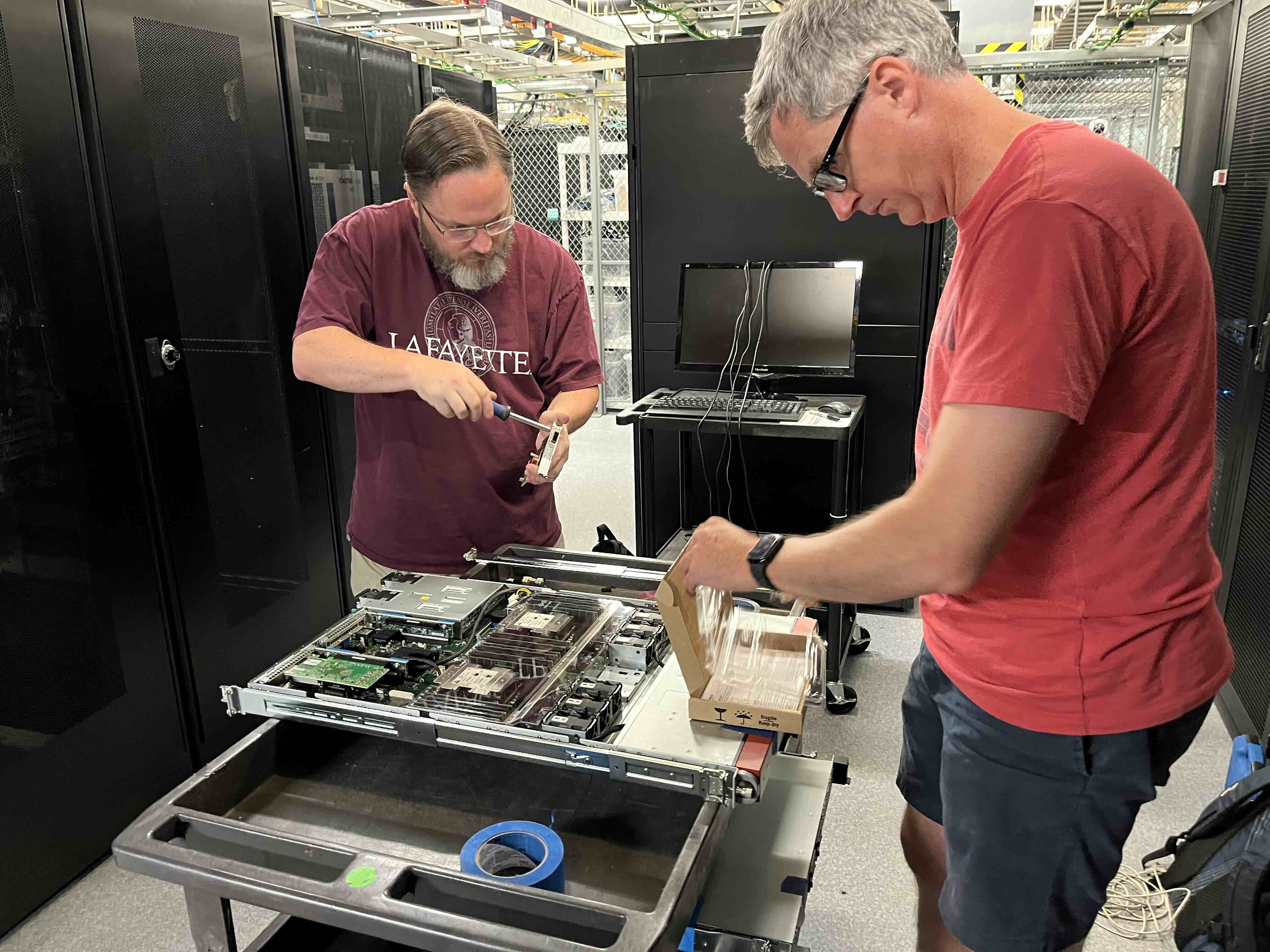
Swarthmore College
Small colleges adopt Open OnDemand to simplify and expand research computing access
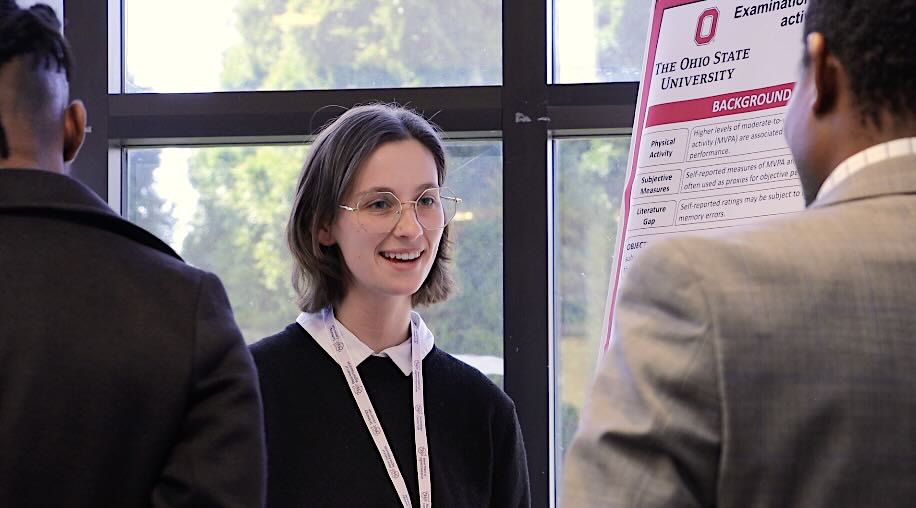
The Ohio State University/Psychology
Objective activity data links physical movement to stronger memory, offering clearer insights

Denison University
Denison expands research and teaching through OSC partnership and accessible HPC resources
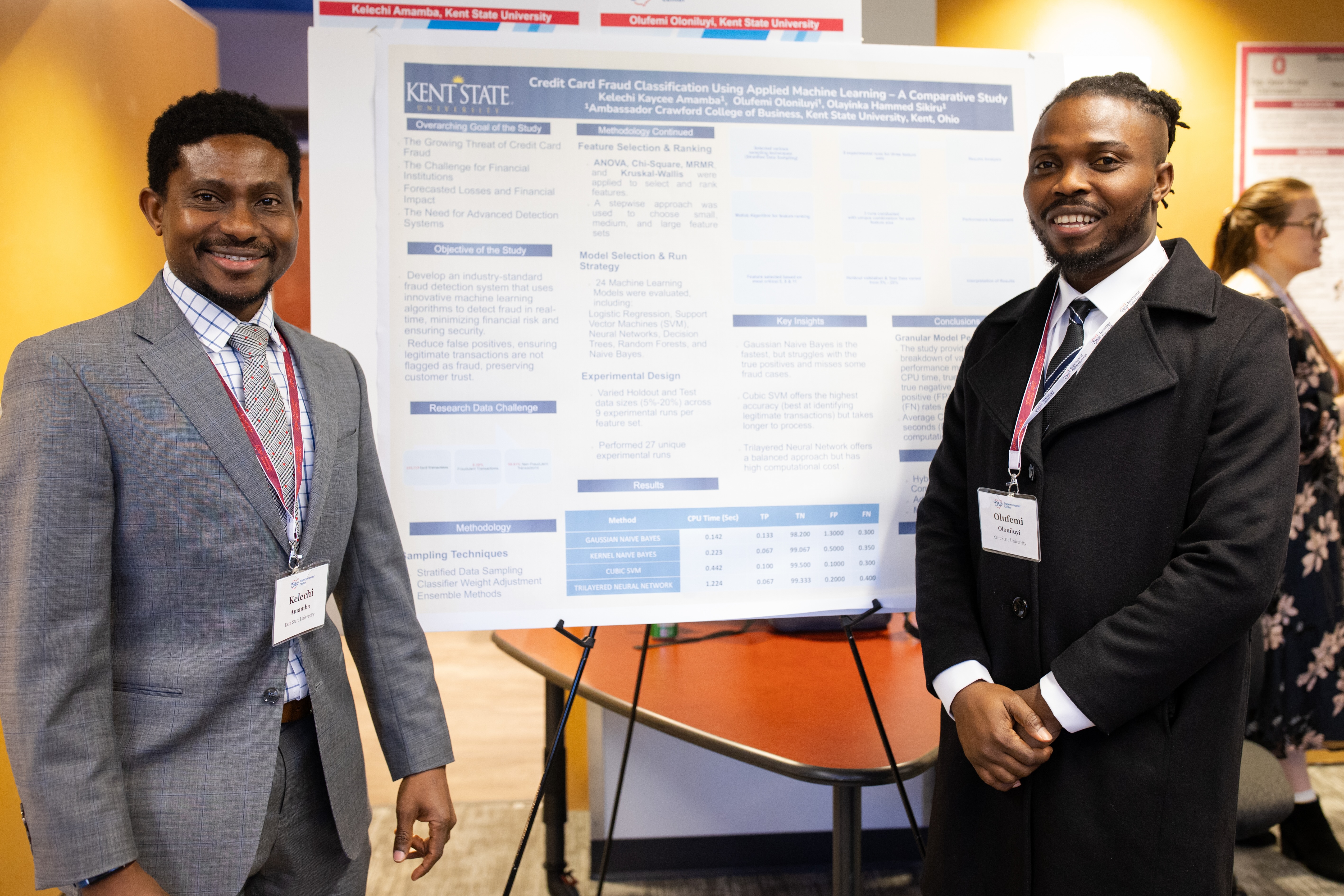
Kent State University
Kent State researchers use OSC to improve credit card fraud detection accuracy
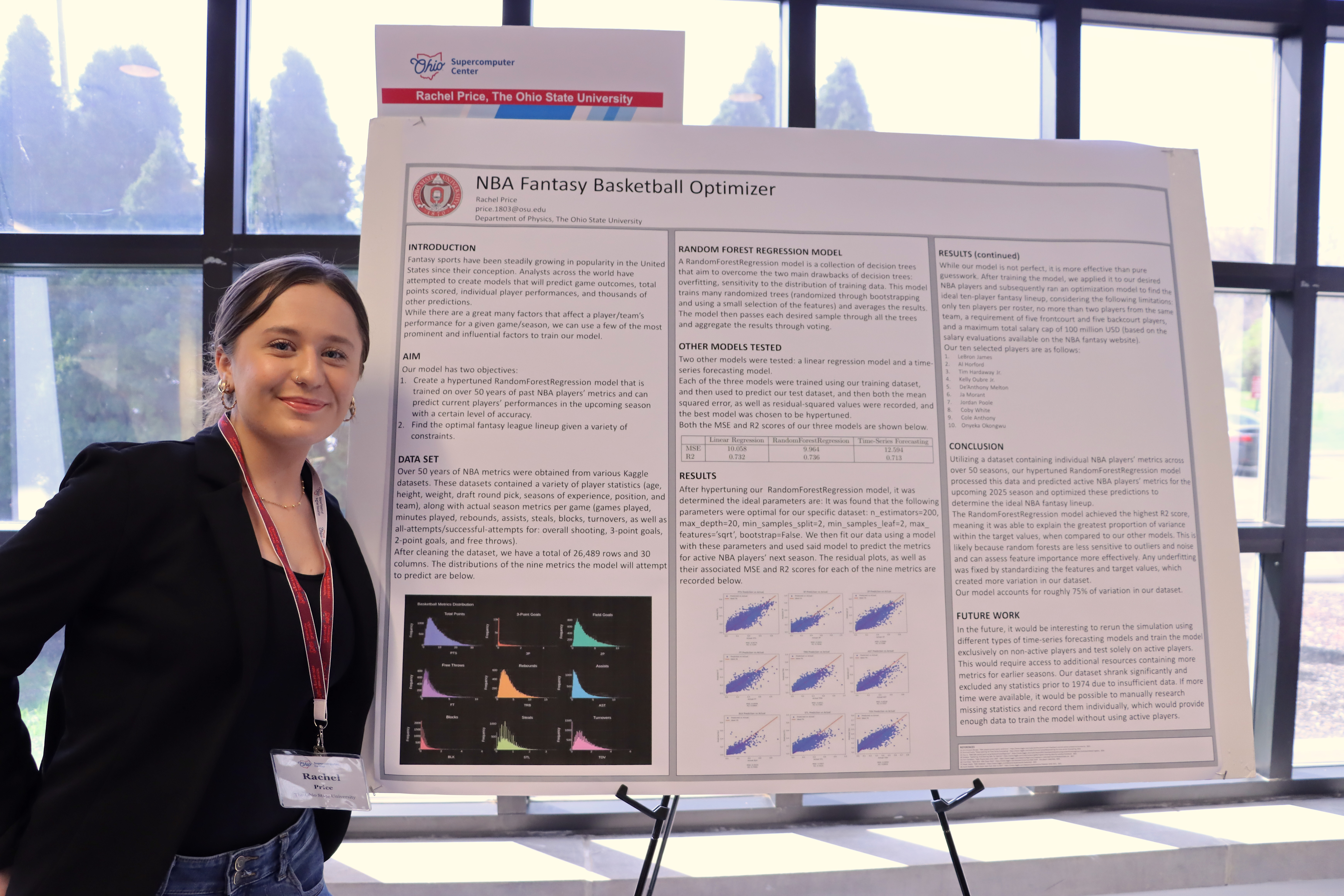
The Ohio State University/Physics
Physics course and OSC inspire student’s shift into data science career
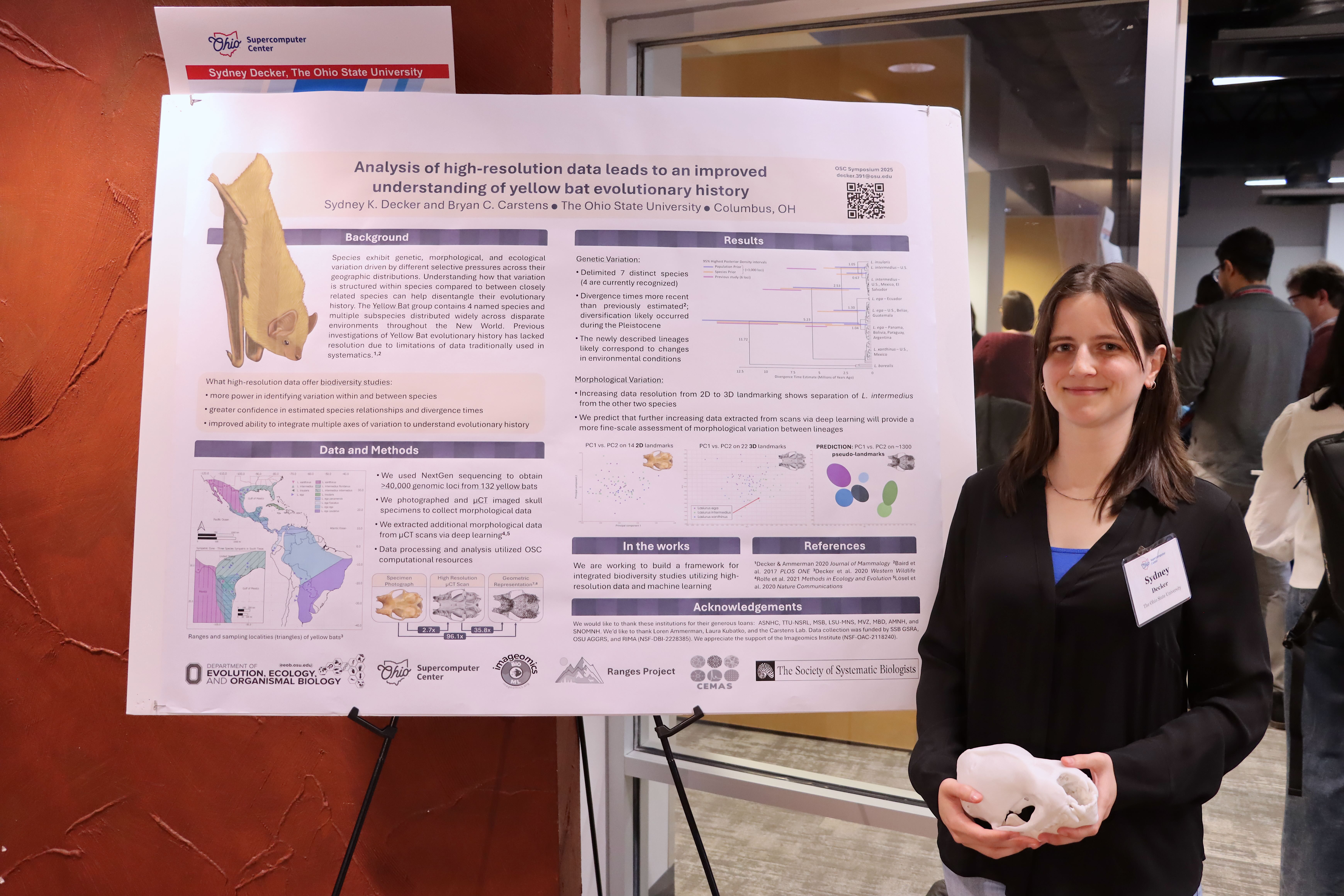
The Ohio State University/Biology
Machine learning and OSC reveal hidden bat species, advancing biodiversity research
Marietta College
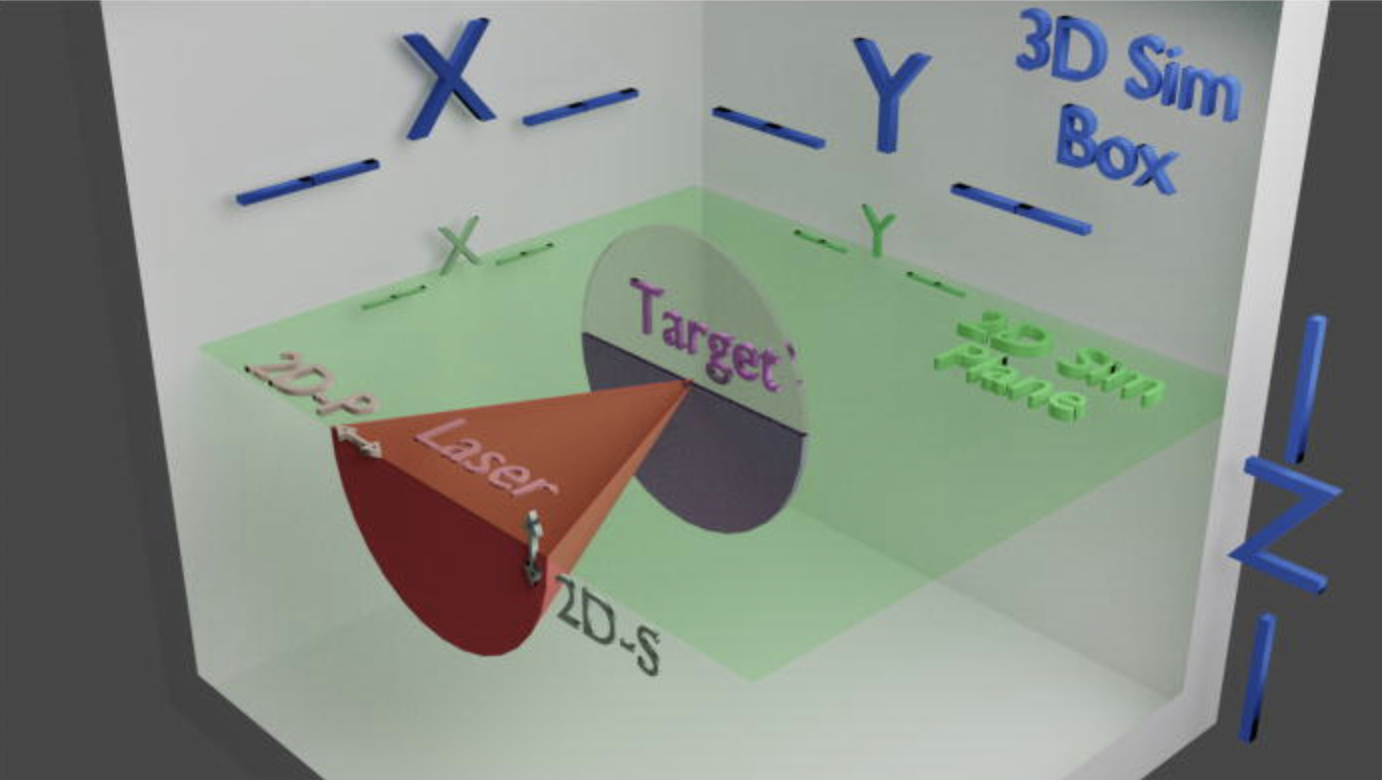
OSC computing power enables small college plasma research and student opportunity

Texas A&M University
Texas A&M customizes Open OnDemand with dashboards and apps to enhance HPC access
Eindhoven University of Technology
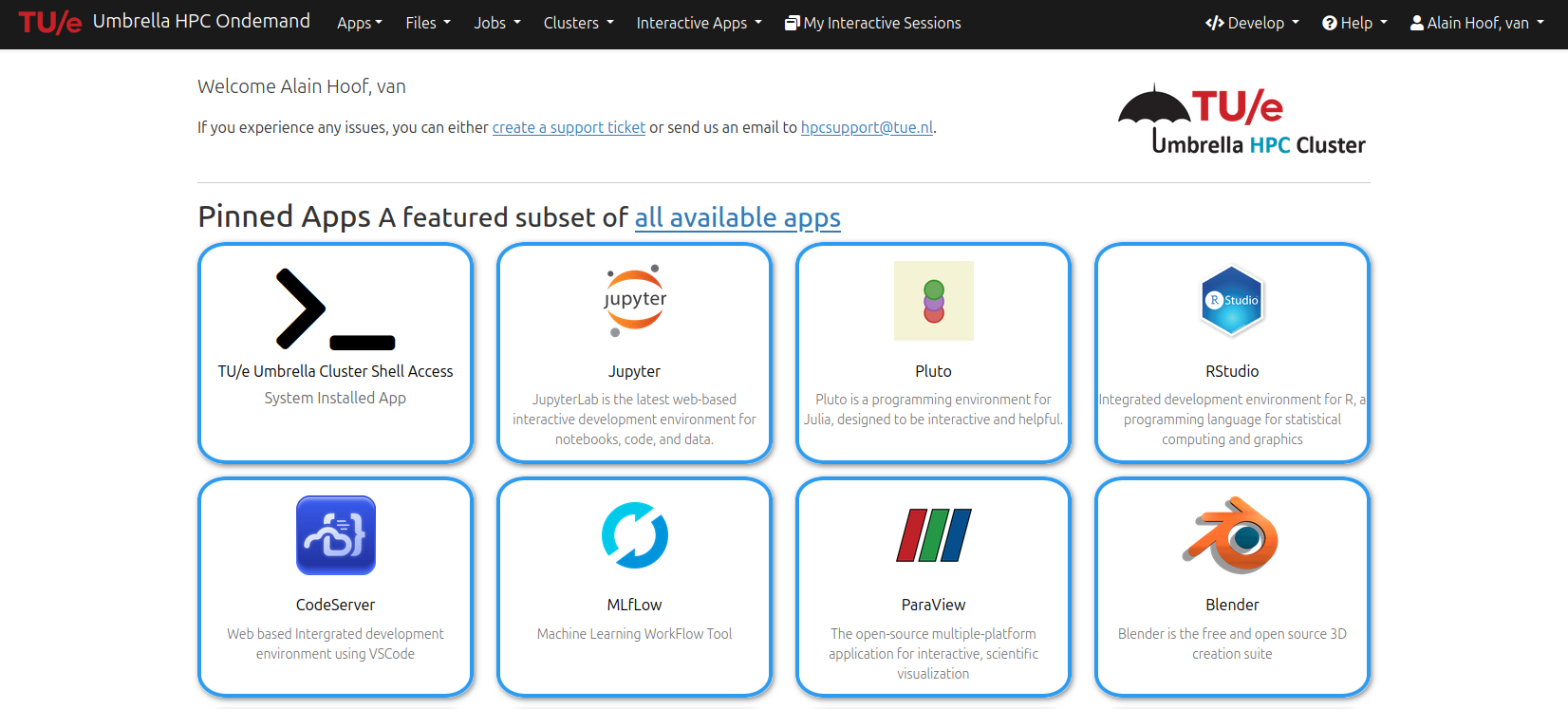
Eindhoven University expands HPC access and collaboration through Open OnDemand adoption
Wake Forest University
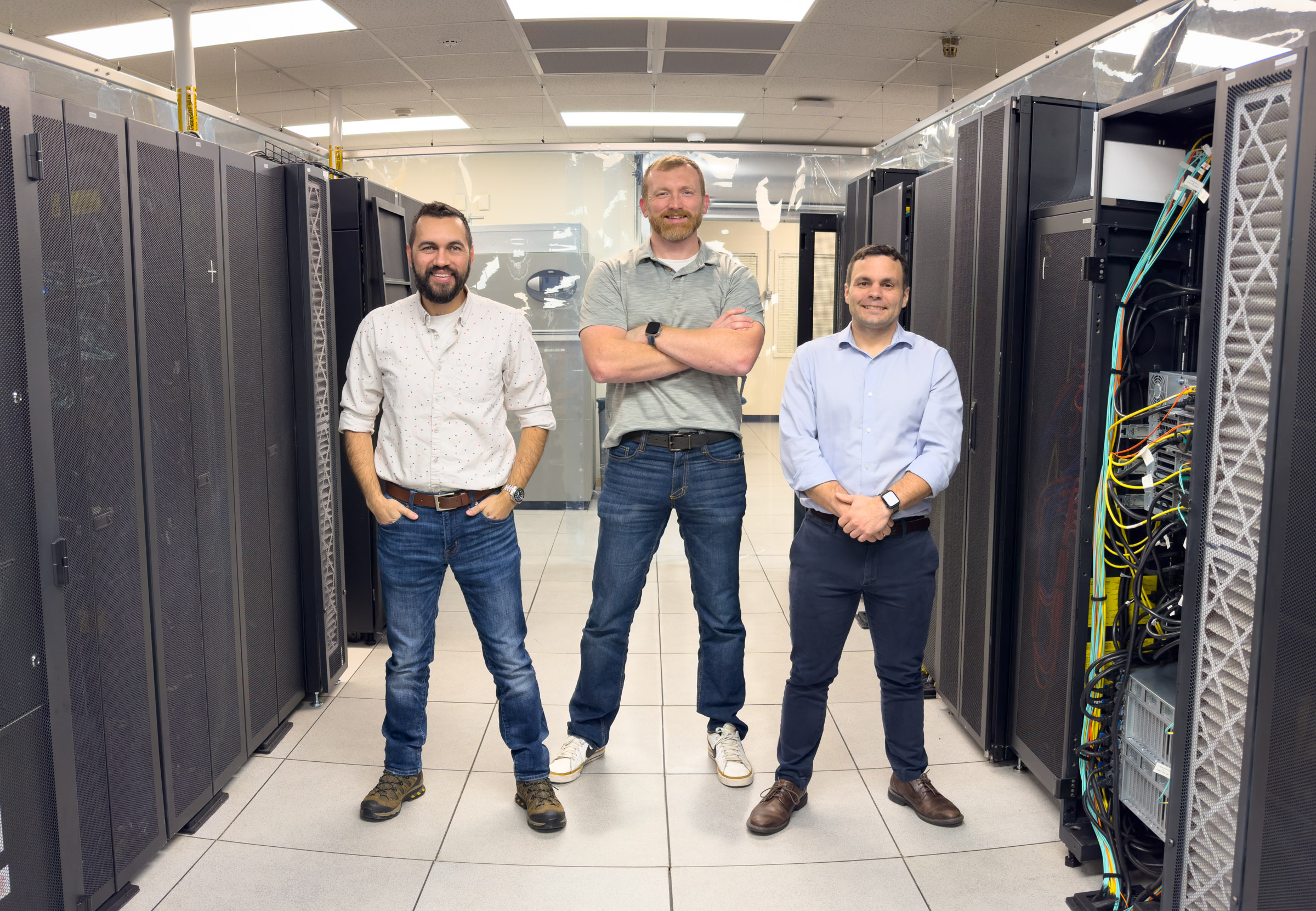
Wake Forest embeds HPC into classrooms using Open OnDemand, boosting student engagement
Director's Letter
At a time when higher education institutions, industry leaders, and nonprofit entities require more powerful and sophisticated high performance computing (HPC) resources to advance research, education, and innovation, the Ohio Supercomputer Center (OSC) continues to deliver incredible value for the state.
As a shared resource used by more than 7,715 clients in Ohio, OSC offers an estimated $50 million in annual cost savings compared to alternative providers. Our centralized computing systems located at the State of Ohio Computer Center also offer greater benefits than smaller stand-alone systems distributed across campuses, including reliability, disaster resilience, and cybersecurity; the ability to scale up computational usage as demands rise; and software and expert technical support that boosts productivity.
States around the country are investing in centralized supercomputing resources and public-private partnerships that can capitalize on the growing interest and promise of artificial intelligence (AI) to advance technology innovation. The State of Ohio is a national leader in this field, continuously supporting OSC operations for almost 40 years. In addition, OSC has prioritized partnerships with private industry and higher education institutions that have granted its entire client community access to leading-edge systems and services.
One key example is OSC’s collaboration with The Ohio State University Wexner Medical Center and College of Medicine to transfer significant new computing resources to OSC’s Ascend HPC cluster over the last year. The project meets the rising demand for graphics processing units (GPUs) that can handle intensive AI work. The revamped Ascend, now boasting eight times the computing power of the original cluster launched in 2022, not only supports medical research and education at Ohio State, but also serves OSC’s broader client needs.
Our 2025–2026 Research Report demonstrates just how those clients are innovatively using OSC resources, solving problems on topics such as credit card fraud detection, the impact of physical exercise on aging and memory, the conservation of wildlife, and how plasma physics can lead to advancements in fusion power and our understanding of cosmic phenomena. In addition, we spotlight how OSC’s open-source web portal Open OnDemand is being used by a growing number of institutions around the globe to make HPC more accessible to researchers and students, from small liberal arts colleges and large research universities in the United States to centers in Europe, Asia, and Africa that are leading the way for science in their respective regions.
It’s clear from these stories that more fields—from the social sciences to the health and medical disciplines—are relying on HPC to accelerate knowledge generation and innovation that keeps the State of Ohio economically competitive. We are proud to play a role in supporting this critical work.
David Hudak
Executive Director
