Search our client documentation below, optionally filtered by one or more systems.
Supercomputer:

Search our client documentation below, optionally filtered by one or more systems.
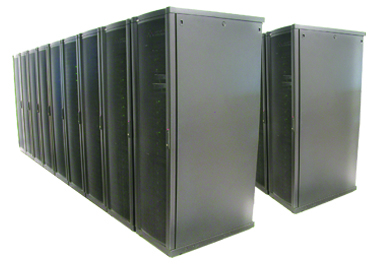 In December, 2003, OSC engineers installed a 512-CPU Pentium 4 Linux Cluster. Replacing the AMD Athlon cluster, the P4 doubled the existing system’s power with a sizable increase in speed. With a theoretical peak of 2,457 gigaflops, the P4 cluster contained 256 dual-processor Pentium IV Xeon systems with four gigabytes of memory per node and 20 terabytes of aggregate disk space.
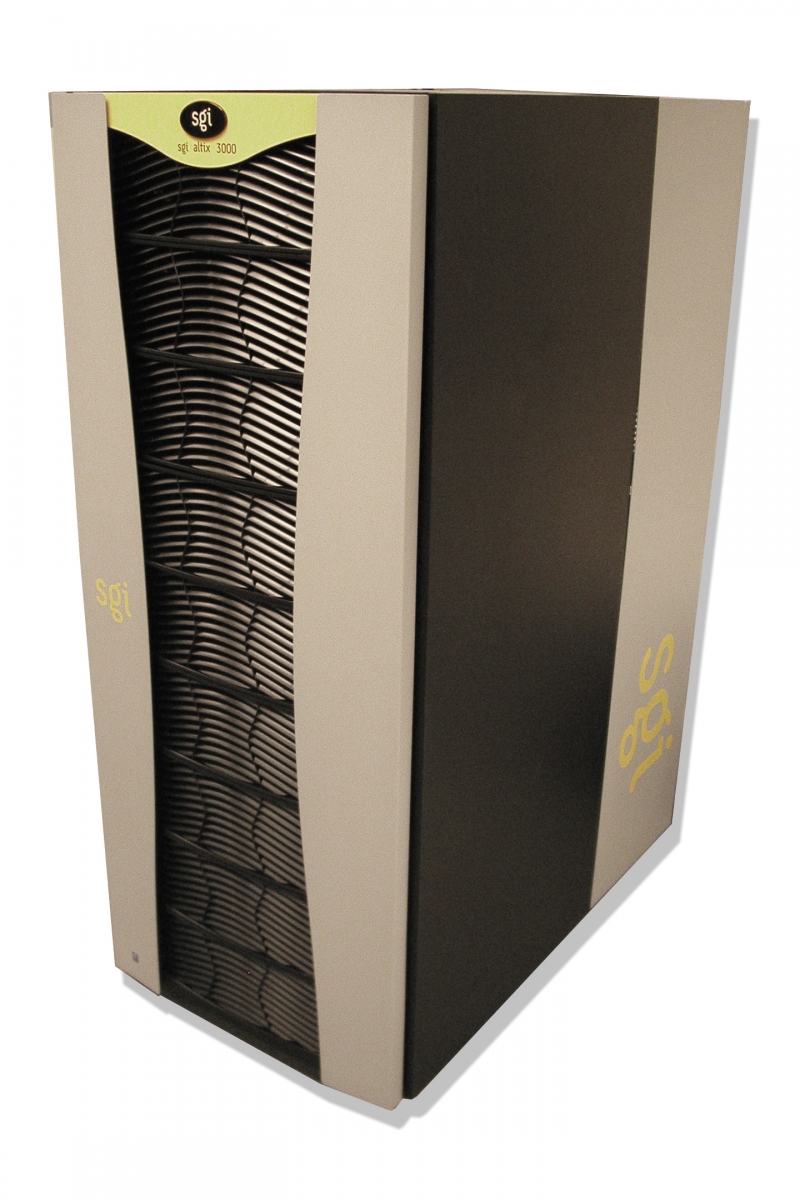 In September, 2003, OSC engineers installed a SGI Altix 3700 system to replace its SGI Origin 2000 system and to augment its HP Itanium 2 Cluster. The Altix was a non-uniform memory access system with 32 Itanium processors and 64 gigabytes of memory. The Altix featured Itanium 2 processors and runs the Linux operating system.
In October, 2002, OSC engineers installed the 300-CPU HP Workstation Itanium 2 Linux zx6000 Cluster. OSC selected HP’s computing cluster for its blend of high performance, flexibility and low cost. The HP cluster used Myricom's Myrinet high-speed interconnect and ran the Red Hat Linux Advanced Workstation, a 64-bit Linux operating system.
 OSC engineers in March, 2002, installed a 256-CPU AMD Linux Cluster. The 32-bit Parallel Processing (MPP) system featured one gigabyte of distributed memory, 256 1.4 & 1.53 gigahertz AMD Athlon processors and a Myrinet and Fast Ethernet interconnect.
 In October, 2001, OSC engineers installed four SunFire 6800 midframe servers, with a total of 72 UltraSPARC III processors.
 In August, 2001, OSC engineers installed a 146-CPU SGI 750 Itanium Linux Cluster, described by SGI as one of the fastest in the world.

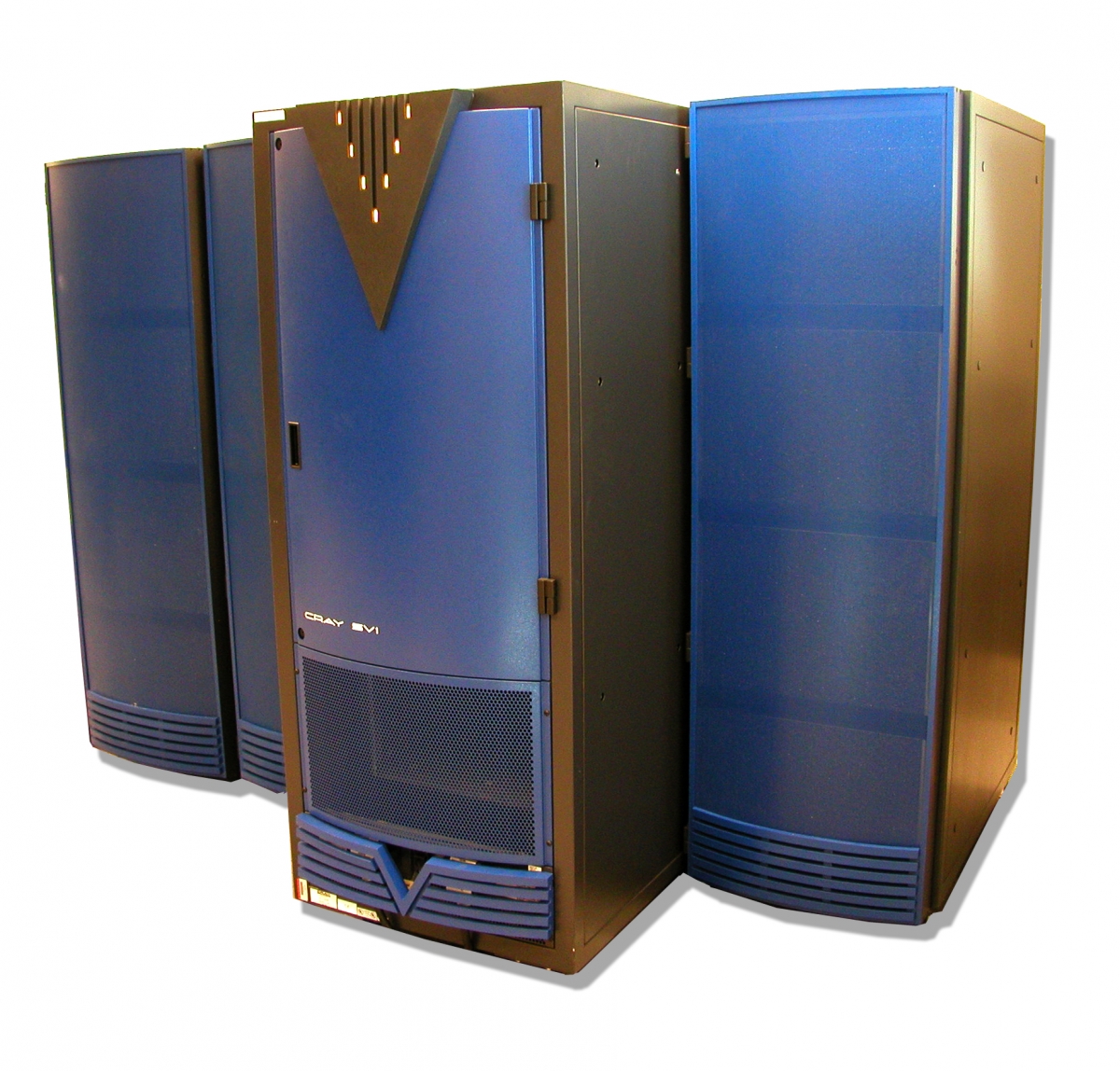 In October, 1999, OSC engineers installed a Cray SV1 system with 16 custom vector processors at 300MHz and 16GB of memory. The SV1 used complementary metal–oxide–semiconductor (CMOS) processors, which lowered the cost of the system, and allowed the computer to be air-cooled.